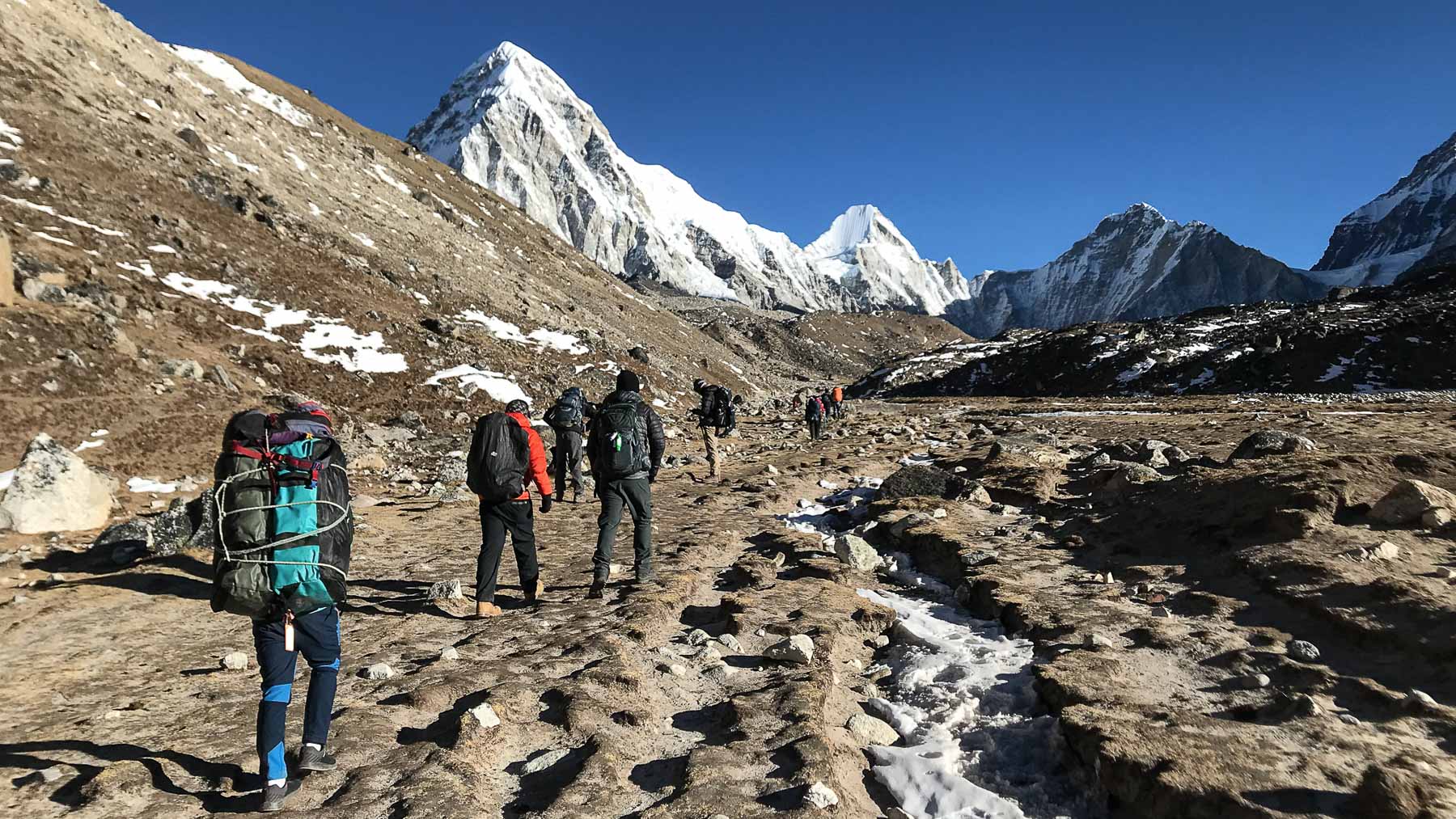
Everest Base Camp trek 2026: What you need to know
29th March, 2026 - Posted By: Himalayan AbodeThe Everest Base Camp trek is one of the most famous treks in the world. Each year, thousands of trekkers fly to Nepal and follow the same route to EBC. In 2026, this trek is still popular for beginners, couples, families, and solo travelers.
You do not need to be a professional climber. It’s a high‑altitude hike, not a technical climb. You just need good fitness, warm clothes, and a trusted trekking agency in Nepal.
This guide will help first‑time trekkers plan safely, budget wisely, and enjoy every step.
How long is the EBC trek?
Most people take 12–14 days for the full Everest Base Camp trek. Some short itineraries try to finish in 10 days, but this raises altitude risk.
A typical schedule includes:
- 2–3 trekking days to reach Namche Bazaar
- 1 rest day in Namche for acclimatization
- 4–5 days to reach EBC and return to Namche
- 3–5 days to walk back to Lukla
The total distance is about 120–130 km of round‑trip walking.
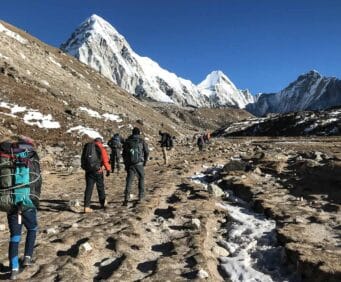
You walk 4–7 hours per day, depending on the route and your fitness level.
When is the best time?
It’s safe in two main seasons. These are spring (March–May) and autumn (September–November).
In spring, the weather is warm and skies are clear. You can see bright green valleys and snow on the high peaks. Rhododendron flowers bloom and make the trail look colorful.
In autumn, the monsoon has passed. The air is dry, and the Khumbu region has fewer clouds. You get the clearest views of Everest and its neighboring peaks.
Avoid summer monsoon (June–August) and winter cold (December–February) if you are new. Winter trails can be icy and flights are often delayed.
Do you need experience for Everest Base Camp trek?
You do not need prior Himalayan experience for the Everest Base Camp trek. However, you should have good basic fitness and some long‑walk training.
Before your trek, try:
- Walking 10–15 km on hard pavement or hills
- Carrying a light backpack (5–8 kg)
- Climbing stairs or hiking nearby hills
Beginner‑friendly days on the Everest Base Camp trek are usually Pheriche, Namche, and Tengboche.
Higher days like Lobuche–EBC are tougher and need more focus.
If you are active and train for 4–6 weeks, you can safely complete the trek.
How high does it go?
Altitude is the biggest challenge on the EBC trek. The trail slowly climbs from Lukla (2,840 m) to EBC (5,364 m).
Other key altitudes include:
- Namche Bazaar – 3,440 m
- Tengboche – 3,860 m
- Dingboche – 4,410 m
- Lobuche – 4,940 m
The higher you go, the less oxygen you get. Your body needs time to adjust, or you may feel sick. This is why trekking agencies add rest days at key altitudes.
How to avoid altitude sickness
Altitude sickness is the main health risk on the Everest Base Camp trek. Most strong trekkers can avoid it with simple rules.
Here are safe‑practice tips:
- Walk slowly and steadily on all days
- Drink 3–4 liters of water every day
- Eat light, warm meals and avoid heavy food
- Sleep at a lower altitude when possible
Do not skip the Namche rest day. On this day, you can walk up to Khumbu Falls or Syangboche and then return.
This helps your body adjust without adding too much stress.
If you feel headache, nausea, dizziness, or shortness of breath, tell your guide. Do not push yourself harder. A safe descent is better than a summit photo.
Permits and paperwork for Everest Base Camp trek
You cannot start the Everest Base Camp trek without permits. The local government controls the Khumbu region and collects fees.
You will need:
- Sagarmatha National Park Permit
- Khumbu Pasang Lhamu Rural Municipality Permit
These permits are usually included in your Everest Base Camp trek package. Your trekking agency in Nepal collects IDs, photos, and fees in advance. You receive printed copies that you must show at checkpoints.
Carry your passport and permit copies in your daypack. If you book with a registered agency, they handle all paperwork and avoid fines.
What to pack for Everest Base Camp trek
Packing correctly is key on the Everest Base Camp trek. You need to stay warm, dry, and comfortable at high altitude.
Basic gear list:
- Warm jacket (down or synthetic)
- Fleece or wool layers
- Waterproof jacket and pants
- Good hiking boots (broken in before the trek)
- Warm sleeping bag (rated at least –10°C)
- Headlamp with extra batteries
- Reusable water bottle or bladder
- Simple first‑aid kit and personal medicines
You do not need fancy gear for your first EBC trek. Rent or buy the basics in Kathmandu before your flight to Lukla.
Typical Everest Base Camp trek itinerary
A safe EBC trek itinerary balances walking, rest, and views.
Here’s a common 14‑day plan:
01-Day: Arrival in Kathmandu (1,350m)
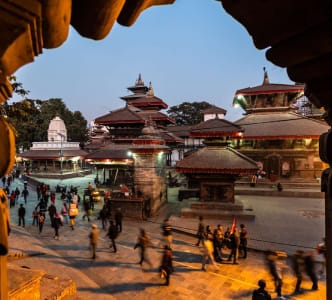
02-Day: Kathmandu sightseeing (UNESCO sites: Pashupatinath, Boudhanath, Bhaktapur)
03–Day: Fly to Lukla (2,840m), trek to Phakding (2,640m)
04-Day: Trek to Namche Bazaar (3,435m)
05-Day: Acclimatization in Namche (hike to Khumjung or visit Sherpa Museum)
06-Day: Trek to Tengboche (3,863m)
07-Day: Trek to Dingboche (4,412m)
08-Day: Acclimatization in Dingboche (hike to Pokalde peak 5000m)
09–Day: Trek to Lobuche (4,931m)
10-Day: Trek to Gorakshep (5,140m), hike to Everest Base Camp (5,364m)
11-Day: Climb Kala Patthar (5,545m) for sunrise, trek to Pheriche (4,240m)
12–Day: Trek to Namche Bazaar
13–Day: Trek to Lukla
14–Day: Fly back to Kathmandu
Your trekking agency in Nepal can adjust this plan based on your fitness and weather.
Cost of an Everest Base Camp trek in Nepal
The trek cost depends on:
- Group or private trek
- Guide and porter services
- Season and hotel quality
Most agencies offer all‑in packages including:
- Guide and porter
- Teahouse accommodation
- Breakfast and dinner
- Permits and local transport
A standard guided trek in 2026 usually costs between $1,100–$1,600 per person. Private treks with more comfort or extra services can be higher.
Always ask what is included and excluded before paying. Clear pricing helps you avoid hidden fees on the trail.
Why use a trekking agency in Nepal?
Some trekkers try to go alone. They book flights, buy permits, and walk without a guide.
However, using a trekking agency in Nepal improves your Everest Base Camp trek in many ways:
- Guides know the safest routes and shortcuts
- Agencies handle permits, hotels, and flights
- You get emergency help if you get sick
- Porters carry your heavy backpack
A local agency also explains local rules, culture, and food options. You avoid getting lost, stuck, or overcharged by small shops on the trail.
What to expect from teahouses
During the Everest Base Camp trek, you sleep in teahouses. These are small lodges with simple rooms and shared local food.
Most teahouses provide:
- Basic twin or dorm rooms
- Shared toilets and hot water (sometimes for a small extra fee)
- Common dining area with simple meals
Popular food includes:
- Dal bhat (rice, lentils, vegetables)
- Noodles, soup, and momos
- Tea, coffee, and hot lemon drinks
Teahouse staff are friendly and used to trekkers. They can help you if you feel tired or need advice about the next day’s walk.
Can you do solo?
No, you cannot trek to Everest Base Camp (EBC) completely alone if you are a foreign national.
Solo trekking has risks:
- No one to help if you get sick
- No one to decide if the weather is unsafe
- No one to translate or explain local rules
If you are a first‑time trekker, it is safer to join a guided Everest Base Camp trek. You can still walk at your own pace, but you stay under a guide’s watch.
How to book your Everest Base Camp trek
Booking this trek is simple if you choose a good trekking agency in Nepal.
Here are the basic steps:
- Choose your dates (spring or autumn).
- Select group or private trek.
- Send your passport details and preferences.
- Pay a deposit to confirm the trek.
- Receive the detailed Everest Base Camp trek itinerary.
- Travel to Kathmandu and meet your guide.
Most agencies send a PDF plan with walking hours, altitudes, and hotel names. You can read this before your flight and ask questions if anything is unclear.
Frequently Asked Questions (FAQ)
1. What is the Everest Base Camp trek?
The trek is a high‑altitude hiking route in Nepal. It starts from Lukla and ends at Everest Base Camp (5,364 m). You walk through Namche Bazaar, Tengboche, Dingboche, and Lobuche.
2. How hard is it?
The trek is moderate to challenging for beginners. You need basic fitness and some long‑walk training. The hardest part is altitude, not the steepness of the path.
3. When is the best season?
The best seasons are spring (March–May) and autumn (September–November). These months have clear skies, stable weather, and safe trails. Avoid monsoon and deep winter if you are new.
4. Do you need a guide?
You do not legally need a guide. But using a trekking agency in Nepal with a guide is safer and more comfortable. The guide handles permits, direction, and emergency help.
5. How much does it cost?
A standard guided Everest Base Camp trek costs about $1,100–$1,600 per person. Costs change with group size, season, and extra services. Always ask for a clear price list before you pay.
6. Can beginners do the Everest Base Camp trek?
Yes. This trek is popular for beginners with good fitness. Train for 4–6 weeks before your trip and choose a slow, safe itinerary. Avoid rushing to reduce altitude sickness risk.
7. How long is the Everest Base Camp trek in days?
Most people take 12–14 days for full trek. Short itineraries for strong trekkers can be 10 days. Longer routes with rest days are safer for beginners.
8. What should I pack?
Pack warm layers, waterproof clothes, good hiking boots, and a warm sleeping bag. Also bring a headlamp, water bottle, snacks, and a small first‑aid kit. Too much gear makes your backpack heavy and hard to carry.
9. Is altitude sickness common?
Altitude sickness can happen at high altitudes. Walking slowly, drinking water, and resting at Namche and Dingboche reduces the risk. If you feel sick, report it to your guide and do not push higher.
10. How do I book an EBC trek with Himalayan Abode?
Send your travel dates and preferred route to Himalayan Abode. You receive a clear Everest Base Camp trek itinerary and price. Pay a deposit, confirm flights, and meet your guide in Kathmandu.
Recent Posts