Buddhist Pilgrimage Sites in Nepal: Sacred Temples, Stupas & Monasteries
21st December, 2025 - Posted By: Himalayan AbodeBuddhist pilgrimage sites in Nepal attract millions of spiritual seekers, monks, and travelers annually, making Nepal a living heartbeat of Buddhism. Home to Lumbini—Lord Buddha’s birthplace—and ancient monasteries nestled in the Himalayas, Nepal preserves pristine sites revered by Theravada, Mahayana, and Vajrayana traditions. This comprehensive 2500-word guide explores the top Buddhist pilgrimage sites in Nepal, their historical significance, best visiting times, travel tips, and spiritual experiences to help you plan an authentic journey.
From Kathmandu Valley’s UNESCO stupas to Mustang’s hidden gompas, these sacred locations offer profound meditation opportunities, prayer wheel circumambulations, and glimpses into Tibetan Buddhist culture. Whether seeking enlightenment or cultural immersion, Nepal’s Buddhist holy sites deliver transformative encounters.
Why Nepal is the Ultimate Buddhist Pilgrimage Destination
Nepal bridges India and Tibet, preserving Buddhism’s purest expressions. Eight of the world’s holiest Buddhist sites lie here, drawing pilgrims from Sri Lanka to Japan. Key attractions include:
- Lumbini: Buddha’s birthplace (UNESCO World Heritage).
- Kathmandu Valley: Swayambhunath, Boudhanath, sacred stupas.
- Himalayan Monasteries: Tengboche, Shey Gompa sky caves.
- Newar Buddhist Temples: Patan, Bhaktapur living heritage.
Lumbini: The Birthplace of Siddhartha Gautama (UNESCO World Heritage Site)
Lumbini, in Nepal’s Terai region, ranks as the world’s premier Buddhist pilgrimage site in Nepal. Emperor Ashoka visited 3rd century BCE, erecting a pillar marking Buddha’s birth in 623 BCE. Maya Devi Temple houses the exact birthplace marker stone.
Key Attractions in Lumbini
- Maya Devi Temple: Underground chamber with nativity stone.
- Ashoka Pillar: Oldest inscription mentioning Buddha.
- Monastic Zone: 25+ international monasteries (Thai, Japanese, German).
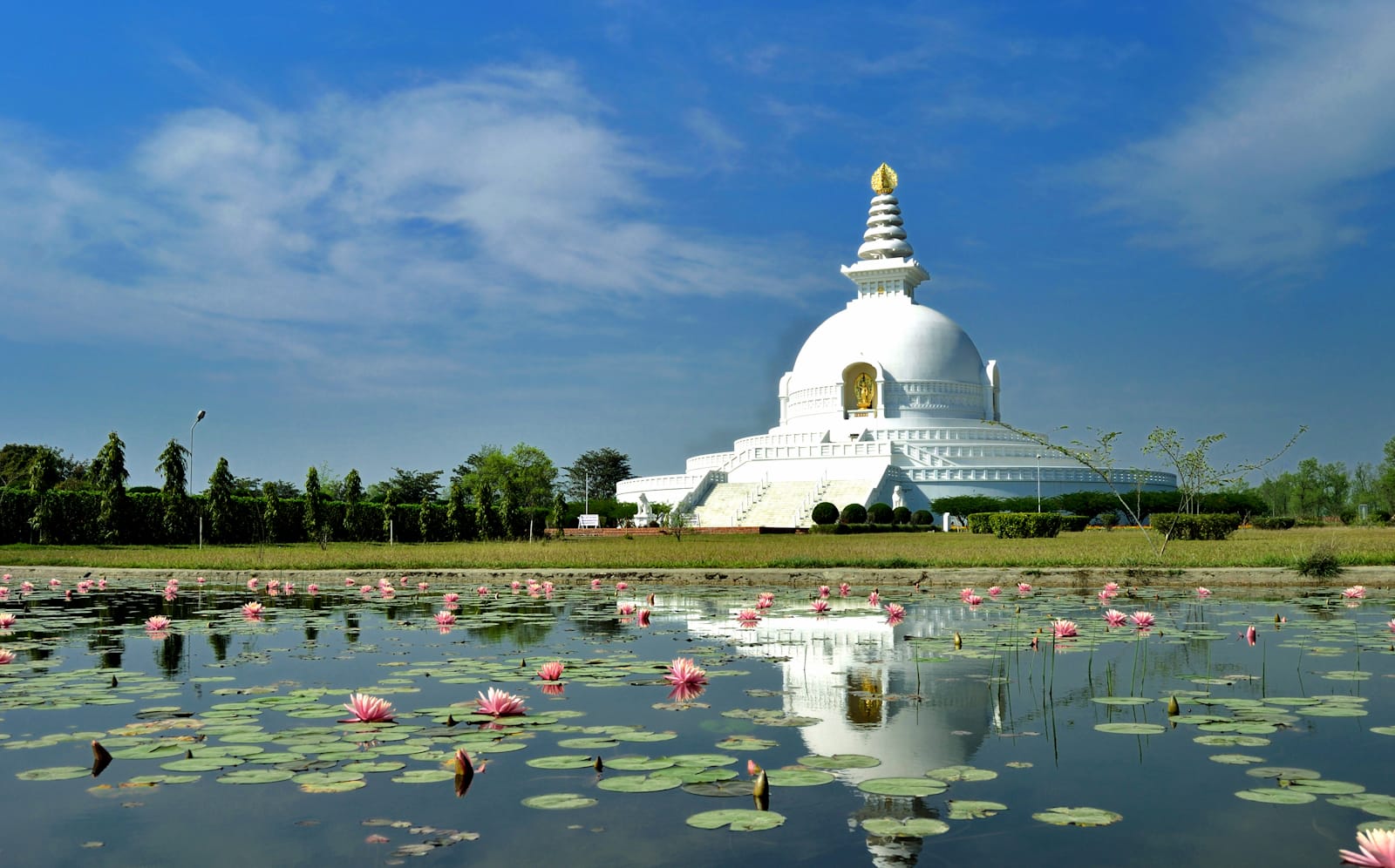
- World Peace Pagoda: Japanese-built stupa overlooking gardens.
Pilgrimage Experience: Circumambulate sacred pond, meditate under sal trees, join monastic chants. Full moon days draw thousands.
Best Time: December-February (cool weather), Buddha Jayanti (May).
Getting There: 30min flight Kathmandu-Lumbini or 9hr bus Kathmandu.
Swayambhunath Stupa (Monkey Temple): Kathmandu’s Ancient Spiritual Jewel
Perched atop Swayambhu Hill, Swayambhunath—”Self-Arisen”—is Kathmandu’s oldest Buddhist pilgrimage site (2500+ years). Legend says it manifested spontaneously amid a lotus-filled lake drained by Kathmandu Valley’s creator.
Spiritual Highlights
- 55m Golden Spire: Eyes of Buddha gaze four directions.
- Vajrayana Shrines: Tantric deities, prayer wheels.
- Nuns & Monks: Continuous rituals, butter lamps.
- 360° Valley Views: Himalayan backdrop during festivals.
Pilgrimage Rituals: 365-step ascent (merit-building), kora around stupa, Tibetan mantra chanting.
Events: Losar (Tibetan New Year), Gunla (monsoon chants).
Boudhanath Stupa: Largest Spherical Stupa in Nepal
Kathmandu’s Boudhanath Stupa (3rd century CE) dominates the skyline as one of the world’s largest mandala stupas. Destroyed by earthquakes, repeatedly rebuilt, it symbolizes life’s impermanence.
Sacred Features
- All-Seeing Eyes: 13m diameter, gold-plated.
- 108 Buddha Images: Circumambulation path niches.
- Tibetan Refugee Culture: Thangka shops, monk debates.
- Kora Path: Colorful prayer flags, spinning wheels.
Pilgrimage Experience: Sunset kora with pilgrims, butter lamp lighting, sky burial insights nearby.
Night Magic: Illuminated stupa, monk chants echoing.
Namobuddha (Namo Buddha): Site of Buddha’s Ultimate Sacrifice
60km southeast Kathmandu, Namobuddha commemorates Prince Sattva’s self-sacrifice to feed starving tigress cubs—Buddha’s previous life act of compassion. Thrangu Tashi Monastery crowns the hill.
Pilgrimage Highlights
- Stupa Marking Sacrifice: Footprint imprints on rock.
- Thrangu Monastery: Golden Buddha, 1000+ monk college.
- Peaceful Forests: Meditation caves, prayer flags.
- Annual Festivals: Sacred animal release ceremonies.
Spiritual Practice: Prostrations, fasting retreats, animal blessing rituals.
Best Season: Spring (March-May) rhododendron blooms.
Tengboche Monastery: Himalayan Spiritual Powerhouse
At 3,867m in Khumbu, Tengboche Monastery overlooks Everest, Ama Dablam during Everest Base Camp treks. Rebuilt after 1989 fire, it houses Sherpa Buddhism’s spiritual center.
Key Attractions
- Dukhang (Assembly Hall): 16m Guru Rinpoche statue.
- Mani Walls: Longest continuous prayer stones.
- Mani Rimdu Festival: (Oct/Nov) masked dances expelling demons.
- Panoramic Views: Everest massif backdrop.
Pilgrimage Rituals: Festival attendance, lama blessings, silent meditation.
Muktinath Temple: Sacred Hindu-Buddhist Convergence
13,000ft Mustang valley, Muktinath unites religions: Vishnu temple for Hindus, Avalokiteshvara for Buddhists. 108 water spouts (beating sins) flow eternally.
Spiritual Significance
- 108 Mukhlingas: Golden conches purifying sins.
- Jwala Mai: Eternal gas flames.
- Dhumba Lake: Circumambulation merit.
- Ancient Sky Caves: Prehistoric meditation sites nearby.
Pilgrimage Journey: Annapurna Circuit trek endpoint, helicopter access.
Shey Gompa & Upper Dolpo: Hidden Himalayan Sanctuaries
Remote Dolpo’s Shey Gompa (4,500m), “Crystal Mountain Monastery,” guards Padmasambhava relics. Surrounded by 7,000m peaks, accessed via difficult Inner Dolpo trek.
Mystical Features
- Guru Rinpoche Cave: Imprints, self-arisen images.
- Bon-Buddhist Syncretism: Pre-Buddhist shamanism blends.
- Kali Gandaki River: Shaligram fossils pilgrimage.
- Yak Caravans: Traditional trader routes.
Pilgrimage Challenge: Restricted area permit, 20+ day trek.
Samye Dubchen Gompa & Helambu: Newar-Tibetan Fusion
Helambu region’s Gosainkund Lake and surrounding monasteries blend Newar Vajrayana with Tibetan traditions. Sacred during Janai Purnima festival.
Highlights
- Trisuli River Gompas: Water-powered prayer wheels.
- Tamang Shamanic Rituals: Jhankri spirit healers.
- Rhododendron Forests: Sacred tree circumambulations.
Kathmandu Valley’s Lesser-Known Buddhist Sites
Asura Cave: Milarepa’s Meditation Lair
Pharping valley’s dark cave where Milarepa defeated Naro Bonchung in tantrik duel. Natural rock throne preserved.
Bajrayogini Temple: Dakini Power Place
Sankhu’s secret tantric site, female enlightened energy center. Animal sacrifice remnants.
Hiranya Varna Mahavihar: Golden Temple
Patan’s Kwabahal, 12th century guild temple with 1,251 Buddha images.
Planning Your Buddhist Pilgrimage in Nepal
Best Seasons
- Autumn (Sep-Nov): Clear skies, festivals.
- Spring (Mar-May): Flowers, mild weather.
- Avoid Monsoon: Landslides block trails.
Essential Tips
- Dress Code: Long pants, shoulders covered.
- Offerings: Khata scarves, rice, butter lamps.
- Circumambulation: Clockwise (right shoulder to stupa).
- Respect: No photography rituals without permission.
Permits & Costs
- Lumbini: $2 entry.
- Restricted areas (Dolpo): $500+ permits.
- Monastery donations: NPR 100-500.
Festivals at Buddhist Pilgrimage Sites in Nepal
| Festival | Date | Location | Highlights |
|---|---|---|---|
| Buddha Jayanti | May Full Moon | Lumbini | Processions, lamps |
| Mani Rimdu | Oct/Nov | Tengboche | Demon dances |
| Losar | Feb/Mar | Boudhanath | Tibetan New Year |
| Janai Purnima | Aug Full Moon | Gosainkund | Sacred bathing |
FAQs: Buddhist Pilgrimage Sites in Nepal
Q: What are the top 5 Buddhist pilgrimage sites in Nepal?
A: Lumbini, Swayambhunath, Boudhanath, Tengboche, Namobuddha.
Q: Is Lumbini worth visiting for 1 day?
A: Yes, monastic zone + Maya Devi Temple covered comfortably.
Q: Best time for Kathmandu Valley Buddhist sites?
A: October-November (clear views, festivals).
Q: Can non-Buddhists participate in rituals?
A: Yes, respectfully. Offer lamps, spin wheels.
Q: How to reach remote sites like Shey Gompa?
A: 20-day Dolpo trek, special permits required.
Q: Safe for solo female pilgrims?
A: Yes, join monastery guesthouses, group tours.
Conclusion: Transformative Journey Through Nepal’s Buddhist Pilgrimage Sites
Nepal’s Buddhist pilgrimage sites weave history, spirituality, and Himalayan majesty into profound journeys. From Lumbini’s birthplace serenity to Tengboche’s Everest-framed chants, each location nourishes the soul while revealing Buddhism’s living legacy.
Recent Posts