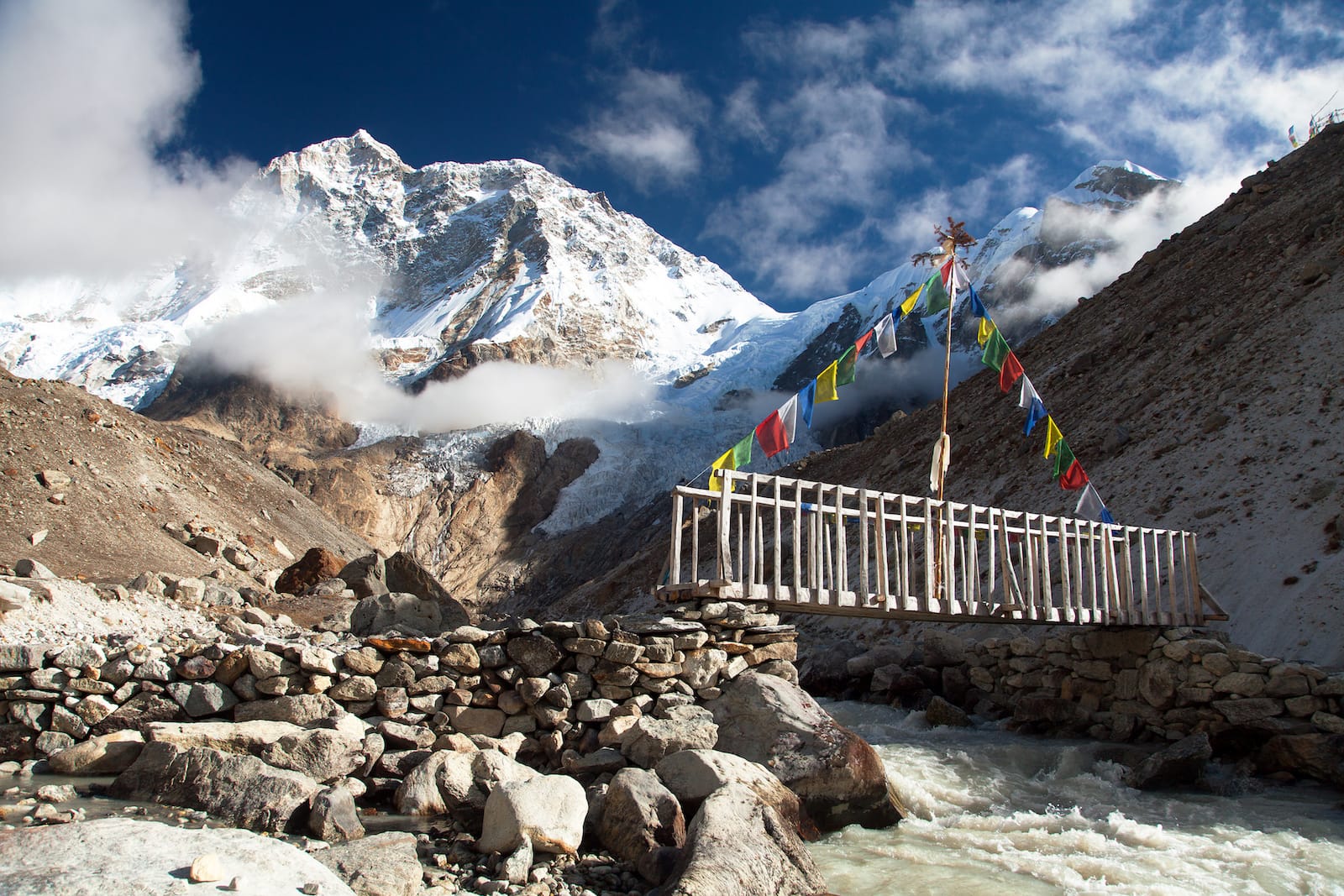
Makalu Trek 2026: A Hidden Gem in Eastern Nepal
10th May, 2026 - Posted By: Himalayan AbodeThe Makalu Trek is one of the less‑crowded Himalayan routes in Nepal. It circles around Mount Makalu, the world’s fifth‑highest peak. In 2026, this trek is growing in popularity for trekkers who want off‑the‑beaten‑path routes and rich local culture.
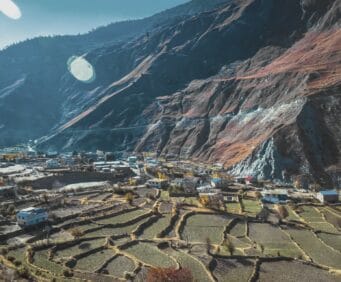
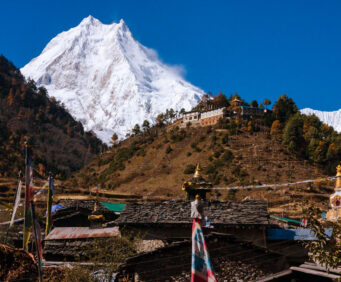
The Makalu Trek passes through deep forests, high ridges, and remote villages. You see Makalu, Lhotse, and other giant peaks without the crowds of Everest. This post explains the route, difficulty, best time, and how to plan your Makalu Trek 2026 safely.
Where is the Makalu in Nepal?
The Makalu Trek lies in eastern Nepal, near the Arun Valley. It starts from the Solukhumbu–Tapi region and moves south toward the Barun Valley.
The area is mostly Sherpa and indigenous communities. You walk through Liman, Sedawa, and Makalu Base Camp views.
The region shares some culture with Everest, but the trails are quieter and more wild. This makes the Makalu Trek 2026 a good choice for trekkers who want peace and nature.
How long is the Makalu Trek?
Most Makalu Trek 2026 programs last 16–20 days, depending on the route. A classic Makalu Base Camp loop takes about 16–18 days.
You walk 5–7 hours per day on most sections. The total distance can be 140–180 km, depending on the loop you choose.
Some agencies add Barun Valley or Shipton La options. These extend the trek by a few days and give you more high‑altitude views.
Difficulty level of trekking Makalu
The Makalu Trek 2026 is moderate to hard for healthy trekkers. You must walk several hours per day and handle altitude above 4,000 m.
Easy days are usually in the lower forests and villages. Hard days include high passes and steep ridges near the base camp area.
If you train for 4–6 weeks before your trip, you can complete the trek safely. A good trekking agency in Nepal will add rest days for acclimatization.
Best time for Makalu Trek 2026
The best time for Makalu Trek 2026 is spring (March–May) and autumn (September–November). These months have clear skies, stable weather, and safer flights.
In spring, you see green forests, blooming flowers, and clear mountain views. The days are warm and the nights are cool.
In autumn, the monsoon rain has passed. The air is dry and the views are sharp. You get clean photos of Makalu, Lhotse, and other peaks.
Avoid monsoon (June–August) and deep winter (December–January) if you are new. The trails can be wet, slippery, or icy.
Makalu Trek 2026 itinerary (16–18‑day outline)
A common Makalu Trek 2026 route looks like this:
- Day 1 – Fly or drive to Lukla, then walk to Chaurikharka
- Day 2 – Chaurikharka to Sedawa (Barun Valley)
- Day 3 – Sedawa to Tashigaun (acclimatization)
- Day 4 – Tashigaun to Honku (near base camp)
- Day 5 – Short walk to Makalu Base Camp viewpoint
- Day 6 – Return to Sedawa
- Day 7 – Sedawa to Tashi Gaun (lower side)
- Day 8 – Tashi Gaun to Makalu Base Camp clearing area
- Day 9 – Explore Makalu Base Camp zone and return to Sedawa
- Day 10 – Sedawa to Chharka
- Day 11 – Chharka to Sedawa
- Day 12 – Rest day in Sedawa (acclimatization)
- Day 13 – Sedawa to Honku
- Day 14 – Honku to Sedawa
- Day 15 – Fly or drive back from Lukla
This Makalu Trek 2026 outline uses two‑night acclimatization stays in Sedawa. You see the base camp area, forests, rivers, and high ridges without crossing the full Barun Glacier.
How high does the Makalu Trek 2026 go?
Altitude is important on the Makalu Trek 2026. The route climbs from Lukla (around 2,840 m) to navigation points near 4,000 m.
Most trekkers stay around Sedawa (3,500–3,700 m) and shorter trips to Makalu Base Camp viewpoints. You do not usually reach the true high‑altitude base camp unless you join a longer expedition‑style route.
Common altitudes include:
- Sedawa – 3,500–3,700 m
- Honku – about 3,800–4,000 m
- Makalu Base Camp viewpoints – up to 4,000 m
Your body must adjust slowly. Walk at a steady pace and drink enough water each day.
How to avoid altitude sickness on Makalu Trek 2026
Altitude sickness is the main risk on the Makalu Trek 2026. You must listen to your body and follow basic rules.
Common signs include:
- Strong headache
- Nausea or vomiting
- Dizziness or confusion
- Shortness of breath
To stay safe:
- Walk slowly and take breaks
- Drink 3–4 liters of water per day
- Eat light, warm meals
- Sleep at a lower altitude when possible
Never skip the Sedawa rest day. Use it to walk short loops and let your body adjust. If you feel very sick, tell your guide and do not climb higher.
Permits and rules for trek
You need permits to start the Makalu Trek 2026. The government controls the Barun area and nearby routes.
You usually need:
- Everest / Makalu region national park permit (depending on starting route)
- Local rural municipality or conservation area permit
- TIMS card (Trekkers’ Information Management System)
Most trekking agencies include these in the Makalu Trek 2026 package. They collect your ID, photos, and fees and give you printed copies for checkpoints.
Carry your passport, permit, and insurance in your daypack. A registered agency helps you avoid fines and denied entry.
What to pack for trek
Packing well makes the Makalu Trek 2026 comfortable and safer. You need to stay warm, dry, and hydrated at high altitudes.
Basic gear list:
- Warm jacket (down or synthetic)
- Fleece or wool layers
- Waterproof rain jacket and pants
- Good hiking boots (broken in before the trek)
- Warm sleeping bag (rated at least –10°C)
- Headlamp with extra batteries
- Refillable water bottle or bladder
- Light backpack (30–40 liters)
- Small first‑aid kit and personal medicines
- Sun protection and trekking poles
You can rent or buy gear in Kathmandu or Lukla. A local trekking agency in Nepal can send you a simple packing list if you ask.
Why choose a trekking agency in Nepal for Makalu Trek?
The Makalu Trek 2026 is remote and less serviced than Everest or Annapurna. Using a trekking agency in Nepal makes the route safer and easier.
A good agency:
- Plans safe routes and correct itineraries
- Handles permits, hotels, and local transport
- Provides experienced guides and porters
- Offers emergency help and backup plans
A local guide knows the forest paths, weather signs, and river crossings. You avoid getting lost, stuck, or overcharged in small villages.
You also get help with Lukla flights, teahouse bookings, and local food rules. All this makes the Makalu Trek 2026 more relaxed and enjoyable.
Typical costs for this trek
The Makalu Trek 2026 cost depends on:
- Group vs private trek
- Guide and porter services
- Season and hotel quality
Most agencies offer all‑in packages that include:
- Guide and porter
- Teahouse or tented accommodation
- Permits and local transport
- Some meals and basic support
A guided Makalu Trek 2026 usually costs $1,500–$2,500 per person. Long‑barun or pass‑crossing routes can be more.
Always ask what is included and excluded before paying. Clear pricing helps you avoid hidden fees on the trail.
Frequently Asked Questions (FAQ)
1. What is the Makalu Trek?
The Makalu Trek circles around Mount Makalu, the world’s fifth‑highest peak. It passes through forests, rivers, and remote villages in eastern Nepal without the crowds of Everest.
2. How hard is this trek?
The Makalu Trek 2026 is moderate to hard. You walk 5–7 hours per day and reach altitudes up to 4,000 m. Good fitness and slow pacing keep you safe.
3. When is the best time?
The best time is spring (March–May) and autumn (September–November). These months have clear skies, stable weather, and safer flights for the route.
4. Do I need a guide?
You do not legally need a guide. But using a trekking agency in Nepal for Makalu Trek 2026 is safer. The guide helps with directions, permits, and altitude.
5. How long is this trek?
Most Makalu Trek 2026 tours last 16–18 days. Shorter or longer routes exist, depending on whether you add Barun Valley or high passes.
6. What permits do I need?
You usually need a national park permit, local conservation area permit, and TIMS card. Your trekking agency usually includes them in the package.
7. What should I pack for the trek?
Pack warm layers, a waterproof jacket, good hiking boots, a warm sleeping bag, a headlamp, and a light backpack. Keep your load light and comfortable for long days.
8. Can beginners do this trek?
Beginners can do a shorter or lower Makalu Trek 2026, but this route suits fit, experienced trekkers best. Higher days and forests need extra fitness and care.
9. How do I avoid altitude sickness for this trek?
Walk slowly, drink 3–4 liters of water daily, eat light meals, and use rest days. If you feel sick, tell your guide and do not push higher.
10. How do I book trek with a trekking agency in Nepal?
Send your dates, group size, and route to a trekking agency in Nepal. You receive a clear Makalu Trek 2026 itinerary and price. Pay a deposit and confirm flights and permits.
Recent Posts