Nepal Trekking Permits 2027: Complete Cost Guide
15th November, 2026 - Posted By: Himalayan AbodeNepal trekking permits 2027 remain essential for most Himalayan routes. You need a TIMS card, a park or conservation permit, and sometimes a restricted-area permit.
Permit rules protect trekkers, manage visitor flow, and fund local conservation. Fees change by route, nationality, and trek duration. This guide explains every major permit and its cost.
TIMS card cost
The TIMS card cost is NPR 2,000 for foreign trekkers. SAARC nationals pay NPR 1,000. Children under 10 do not need a TIMS card.
TIMS means Trekkers’ Information Management System. It records your name, route, guide, and emergency contact. This information helps authorities locate trekkers during emergencies.
You cannot buy TIMS independently. A registered trekking agency must arrange it through the Nepal Tourism Board system.
Your agency needs your passport copy, passport photos, and trek details. The digital TIMS card now includes a QR code. Carry a printed or phone copy during the trek.
ACAP permit fee
The ACAP permit fee is NPR 3,000 for foreign trekkers. SAARC nationals pay NPR 1,000. Nepali citizens pay NPR 100.
ACAP stands for Annapurna Conservation Area Project. It covers the Annapurna Circuit, Annapurna Base Camp, Poon Hill, Mardi Himal, and nearby routes.
You can buy ACAP online through the NTNC e-permit portal. You can also buy it at counters in Kathmandu, Pokhara, Simpani, or Ghasa.
The permit supports conservation, trail maintenance, and local communities. Keep it with your passport and show it at checkpoints.
Sagarmatha National Park permit
The Sagarmatha National Park permit costs NPR 3,000 for foreign trekkers. SAARC nationals pay NPR 1,500. Children under 10 enter free.
Sagarmatha National Park covers the Everest region. Every trek to Everest Base Camp, Gokyo, or the Three Passes needs this permit.
You can buy the permit at the Nepal Tourism Board office in Kathmandu. You can also buy it at the Monjo checkpoint on the Everest trail.
The permit fee includes 13% VAT. The final cost is about NPR 3,390 for foreign trekkers.
Khumbu Pasang Lhamu fee
Everest treks also need a local entry permit. The Khumbu Pasang Lhamu Rural Municipality charges NPR 3,000 per foreign trekker.
Your guide pays this fee at Lukla or Monjo. It is separate from the Sagarmatha National Park permit.
So a standard Everest Base Camp trek needs two area fees. The total is NPR 6,000 before VAT.
Restricted area permit list
The restricted area permit list covers sensitive border regions. You must travel with a licensed guide and a registered agency.
Common restricted areas include:
- Manaslu and Tsum Valley.
- Nar Phu Valley.
- Upper Mustang.
- Upper Dolpo.
- Lower Dolpo.
- Kanchenjunga.
- Humla.
- Parts of Taplejung and Sankhuwasabha.
The Department of Immigration in Kathmandu issues these permits. Only authorized trekking agencies can apply on your behalf.
Restricted permits cost more than regular permits. Fees depend on the region, season, and number of days.
Permit cost per trek
The permit cost per trek varies by region. Here is a clear breakdown for foreign trekkers.
| Trek | Permits needed | Cost per person |
|---|---|---|
| Annapurna Base Camp | ACAP + TIMS | NPR 5,000 (about US$37) |
| Annapurna Circuit | ACAP + TIMS | NPR 5,000 (about US$37) |
| Poon Hill | ACAP + TIMS | NPR 5,000 (about US$37) |
| Langtang Valley | Langtang National Park + TIMS | NPR 5,000 (about US$37) |
| Everest Base Camp | Sagarmatha NP + Khumbu fee + TIMS | NPR 8,000 (about US$52) |
| Gokyo Lakes | Sagarmatha NP + Khumbu fee + TIMS | NPR 8,000 (about US$52) |
| Three Passes | Sagarmatha NP + Khumbu fee + TIMS | NPR 8,000 (about US$52) |
| Manaslu Circuit | Restricted permit + MCAP + ACAP | US$100 first 7 days in autumn, plus NPR 6,000 |
| Upper Mustang | Restricted permit + ACAP | US$500 first 10 days, then US$50 per day, plus NPR 3,000 |
| Nar Phu | Restricted permit + ACAP + TIMS | US$100 first 7 days in autumn, plus NPR 5,000 |
| Tsum Valley | Restricted permit + MCAP + TIMS | US$40 first week in autumn, plus NPR 5,000 |
Everest routes cost more because of the Khumbu local fee. Annapurna and Langtang routes cost less because they need only one area permit plus TIMS.
Where to get permits in Kathmandu
You can get most permits in Kathmandu before your trek. The Nepal Tourism Board office sits at Bhrikutimandap, near the main tourist area.
Here you can buy:
- Sagarmatha National Park permit.
- Langtang National Park permit.
- Other national park entry permits.
- TIMS card through your trekking agency.
The Department of Immigration at Kalikasthan handles restricted-area permits. Your trekking agency applies there for you.
For ACAP, you can apply online or visit an NTNC counter in Kathmandu. You can also buy it in Pokhara if you start from that side.
Bring these documents:
- Passport original and copy.
- Two passport photos.
- Travel insurance details.
- Trek itinerary.
- Guide and agency information.
- Cash or card for fees.
Permit rules for 2027
Nepal now requires a licensed guide for trekking in national parks, conservation areas, and restricted zones. This rule applies to Annapurna, Langtang, Manaslu, Mustang, Dolpo, and Kanchenjunga.
You cannot trek solo in these areas. You must book through a registered agency. The agency arranges your guide, permits, and insurance checks.
Some sources say TIMS is being replaced by e-TIMS. The system still records trekker details and supports rescue coordination.
Always confirm current rules before departure. Fees and regulations can change each year.
Itinerary with permits included
Himalayan Abode’s trek packages include permits in the total price. Your agency arranges TIMS, park fees, and restricted-area permits where needed.
Sample permit timeline for an Everest Base Camp trek.
Day 1 – Arrive in Kathmandu
You land and transfer to your hotel. Your agency collects your passport details and photos.
Day 2 – Kathmandu sightseeing and permit processing
You visit cultural sites. Your agency arranges TIMS and the Sagarmatha National Park permit.
Day 3 – Fly to Lukla and trek to Phakding
You take the morning flight. Your guide pays the Khumbu Pasang Lhamu fee at Lukla or Monjo.
Day 4 – Trek to Namche Bazaar
You climb through forest and cross suspension bridges. Your guide checks permits at entry points.
Day 5 – Acclimatization in Namche
You rest or hike to Khumjung. Your guide monitors your health.
Day 6 – Trek to Tengboche
You walk through rhododendron forest. You enjoy views of Everest and Ama Dablam.
Day 7 – Trek to Dingboche
You climb above the tree line. Your guide checks permits at checkpoints.
Day 8 – Acclimatization in Dingboche
You rest or take a short hike. Your guide watches for altitude sickness.
Day 9 – Trek to Lobuche
You walk a shorter day. Your guide confirms lodge availability.
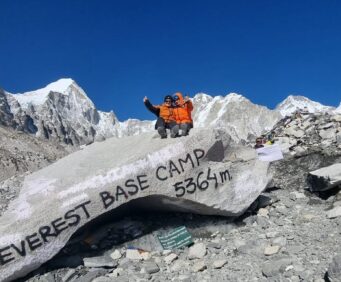
Day 10 – Trek to Gorakshep and Everest Base Camp
You reach Base Camp. Your guide manages permits and safety.
Day 11 – Climb Kala Patthar and descend to Pheriche
You climb for sunrise if weather allows. You descend for warmth.
Day 12 – Trek to Namche Bazaar
You descend through Pangboche and Tengboche. Temperatures feel milder.
Day 13 – Trek to Lukla
You return to Lukla and stay overnight.
Day 14 – Fly to Kathmandu
You return to the city. Keep a buffer day for flight delays.
Day 15 – Departure
You transfer to the airport for your flight home.
Frequently Asked Questions
1. What is the TIMS card cost in 2027?
The TIMS card costs NPR 2,000 for foreign trekkers. SAARC nationals pay NPR 1,000. Children under 10 do not need it.
2. What is the ACAP permit fee?
ACAP costs NPR 3,000 for foreign trekkers. SAARC nationals pay NPR 1,000. Nepali citizens pay NPR 100.
3. What is the Sagarmatha National Park permit cost?
The permit costs NPR 3,000 for foreign trekkers. SAARC nationals pay NPR 1,500. Children under 10 enter free.
4. Do I need a permit for Everest Base Camp?
Yes. You need the Sagarmatha National Park permit, the Khumbu Pasang Lhamu fee, and a TIMS card.
5. Where can I get permits in Kathmandu?
You can buy park permits at the Nepal Tourism Board office in Bhrikutimandap. Restricted-area permits are issued at the Department of Immigration in Kalikasthan.
6. Can I get permits online?
Yes. ACAP and MCAP permits can be bought online through the NTNC e-permit portal. TIMS is arranged online through a registered agency.
7. Do I need a guide for all treks?
Yes. Nepal requires a licensed guide for trekking in national parks, conservation areas, and restricted zones.
8. What is the permit cost per trek for Annapurna?
Annapurna treks cost NPR 5,000 in flat permits. This includes ACAP and TIMS.
9. What is the permit cost per trek for Everest?
Everest treks cost NPR 8,000 in flat permits. This includes Sagarmatha National Park, Khumbu fee, and TIMS.
10. Which treks need a restricted-area permit?
Manaslu, Tsum Valley, Nar Phu, Upper Mustang, Dolpo, Kanchenjunga, and Humla need restricted-area permits.
Nepal trekking permits 2027 are simple once you know the route. Most treks need TIMS plus one area permit. Restricted areas cost more and require a licensed guide. Always confirm current fees before you travel.
Recent Posts