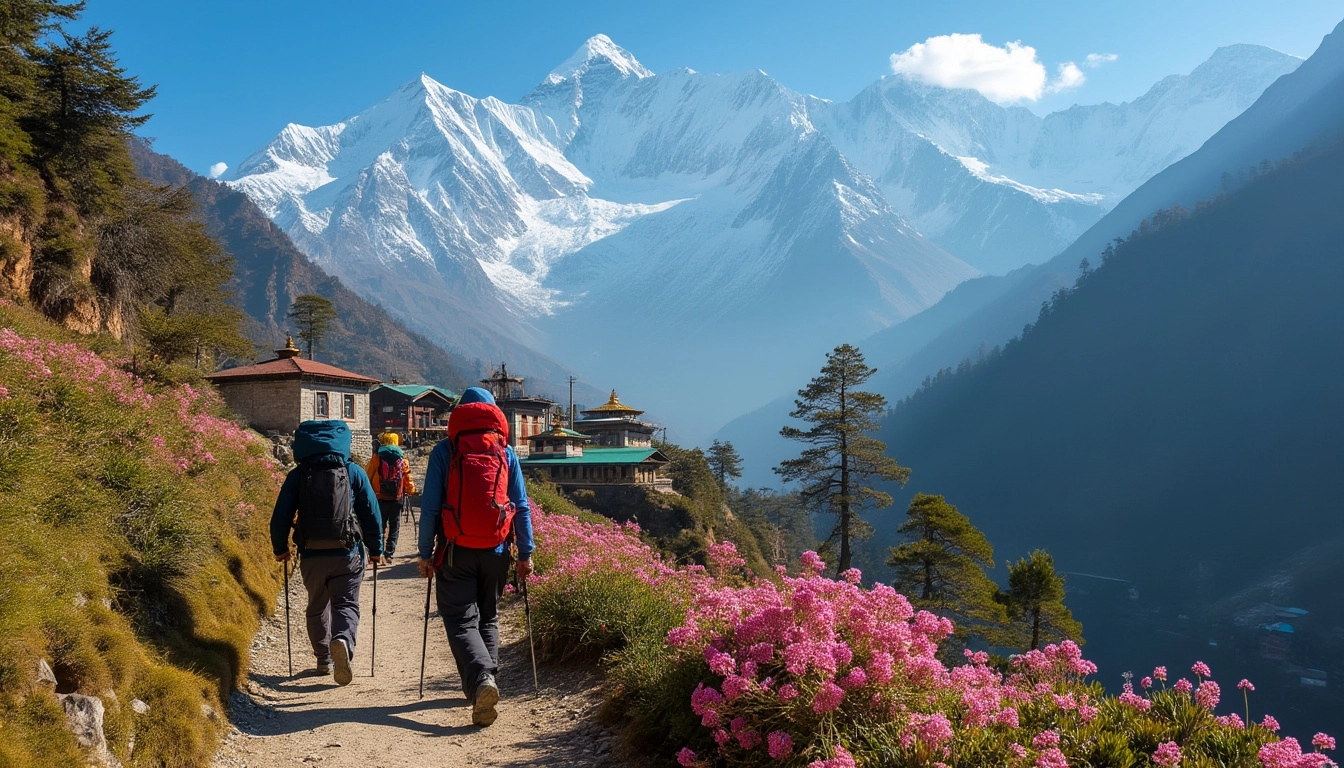
Trekking in Nepal for Beginners: Easy Trails Overview
19th July, 2026 - Posted By: Himalayan AbodeThe Trekking in Nepal for beginners topic is about finding easy, safe Himalayan routes that first‑time trekkers can enjoy. Nepal has many short treks with gentle trails, lower altitude, and simple teahouse stays. These routes still offer sunrise views, snow peaks, forests, and local culture, but they avoid extreme heights and long expedition days.
Himalayan Abode lists several beginner‑friendly packages from Annapurna, Everest, Langtang, and nearby hill regions. Their trips mix mountain walking with culture, heritage sightseeing, and comfortable pacing.
Why choose Trekking in Nepal for beginners
The Trekking in Nepal for beginners idea is perfect if you:
- Have never trekked in the Himalayas before.
- Want to see snow peaks without climbing or technical gear.
- Prefer short, easy trails with clear paths and village lodges.
- Want to combine mountain views with local culture and safe guidance.
Beginner treks focus on:
- Lower altitude (mostly below 3,500 m).
- Short daily walking hours (4–6 hours).
- Teahouse accommodation with hot meals and simple rooms.
- Local English‑speaking guides who manage route, safety, and logistics.
Trekking in Nepal for beginners: best easy trails with Himalayan Abode
Himalayan Abode highlights several good options under Annapurna, Everest, and Langtang regions. Here is an overview of the easiest styles you can expect.
Ghorepani Poon Hill Trek (Annapurna)
- Region: Annapurna.
- Style: 3–4 days of walking from Pokhara; short, easy‑moderate trail.
- Highlights: Sunrise from Poon Hill (3,210 m) over Annapurna and Dhaulagiri; rhododendron forests; Gurung and Magar villages.
- Why good for beginners: Lower altitude, no long expedition days, clear stone paths through villages.
A typical Himalayan Abode Poon Hill package includes:
- Drive from Pokhara to Birethanti.
- Trek to Ulleri, then Ghorepani.
- Sunrise hike to Poon Hill, then return to Birethanti and drive back to Pokhara.
Annapurna Base Camp Short Trek
- Region: Annapurna.
- Style: Multi‑day trek to Annapurna Base Camp (4,130 m) with lodge stays.
- Highlights: Huge amphitheatre of peaks including Annapurna I, South, Hiunchuli, Machhapuchhre; terraced fields; forests; hot springs.
- Why good for confident beginners: Moderate difficulty, good infrastructure, clear itinerary and acclimatization.
Short ABC packages reduce overall days while keeping a safe pace. They suit beginners who already walk regularly and want a bigger experience.
Everest View Trek (Everest region)
- Region: Everest / Khumbu.
- Style: 7‑day trek to Namche and Everest viewpoint, lower than Base Camp.
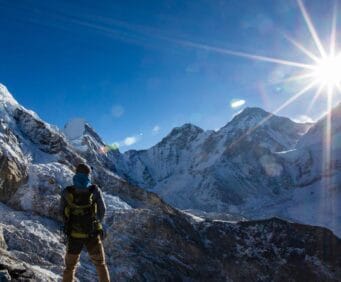
- Highlights: Views of Everest, Ama Dablam, Thamserku; Sherpa villages; monasteries; Sagarmatha National Park.
- Why good for beginners: You get Everest views without going to 5,364 m. Altitude is lower, and days are shorter.
Himalayan Abode’s Everest View style trek usually:
- Flies or drives to the start point.
- Walks to Namche Bazaar.
- Includes a viewpoint day and cultural visits.
- Returns along the same safe path.
Langtang Valley Trek (Langtang region)
- Region: Langtang.
- Style: 8–9‑day lodge trek from Kathmandu to Kyanjin Gompa.
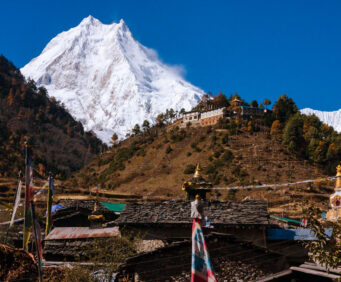
- Highlights: Tamang culture, monasteries, yak pastures, glacier valley, views of Langtang Lirung, Dorje Lakpa.
- Why good for beginners: No internal flights, moderate altitude around 3,800–3,900 m, one acclimatization day.
Himalayan Abode lists Langtang Valley Trek among its popular treks, showing it as a good choice in the Langtang region.
Day hikes and mini‑treks
Himalayan Abode also posts day tours and short camp hikes, perfect for absolute beginners or families. Examples from their homepage include:
- Dhampus Village Day Hike Tour.
- Australian Camp Trek.
- Nagarkot Day Tour.
These trips are ideal for Trekking in Nepal for beginners who want to test their fitness: you hike for a few hours, see sunrise or sunset, and sleep back in the city.
How hard is Trekking in Nepal for beginners?
The Trekking in Nepal for beginners routes are usually rated easy to moderate. That means:
- You walk on clear paths, often stone steps or well‑used trails.
- You climb and descend hills, but you do not use ropes or special gear.
- You sleep in simple lodges with beds and meals.
Difficulty depends on:
- Altitude: Poon Hill and Everest View are lower than ABC and Langtang.
- Walking hours: Day hikes take 3–4 hours; longer treks take 5–7 hours per day.
- Personal fitness: Regular walking at home makes these treks safer and more fun.
If you are nervous, start with Poon Hill or a day hike. If you already walk regularly, Langtang or ABC short trek is realistic with proper preparation.
Typical beginner itinerary pattern with Himalayan Abode
Most Trekking in Nepal for beginners packages on Himalayan Abode follow a similar pattern:
- Arrival and city day
- Day 1: Arrival in Kathmandu, airport pickup, hotel check‑in.
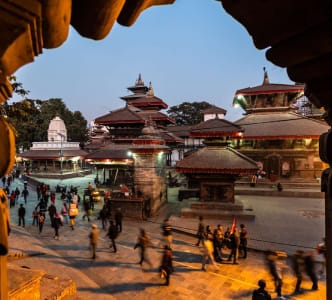
- Day 2: Sightseeing in Bhaktapur, Pashupatinath, Boudhanath, then trek briefing.
- Transfer to trek region
- Drive or flight to Pokhara, Syabrubesi, or Everest region start point.
- Short afternoon walk or rest at the first village.
- Main trekking days
- 3–7 days of trekking depending on route.
- Walk 4–7 hours per day.
- Sleep in teahouses, eat on the trail.
- Return and rest
- Drive or fly back to Pokhara or Kathmandu.
- Free evening or farewell dinner.
- Departure
- Final morning transfer to the airport.
This pattern keeps planning simple and gives you time to recover between travel and trekking.
Safety tips for Trekking in Nepal for beginners
To keep Trekking in Nepal for beginners safe and comfortable:
- Walk slowly, especially uphill, and take short breaks.
- Drink enough water every day.
- Carry light snacks for extra energy.
- Wear proper trekking shoes and layered clothing.
- Listen to your guide’s advice on pace and health.
Altitude sickness is rare on very low treks, but at higher points like ABC and Langtang you should watch for headache, nausea, or dizziness and rest if needed.
Frequently Asked Questions (FAQ)
1. What is Trekking in Nepal for beginners?
Trekking in Nepal for beginners means easy to moderate trails with lower altitude, shorter walking days, and simple lodges. Routes like Poon Hill, Everest View, and Langtang Valley are ideal examples.
2. Which Himalayan Abode trek is best for a first‑time trekker?
For a first trek, Ghorepani Poon Hill or an Everest View style trek is usually best. They offer great views with moderate altitude and shorter duration.
3. How many days should I plan for Trekking in Nepal for beginners?
Day hikes need 1 day. Poon Hill needs about 3–4 days of trekking plus travel. Langtang and short ABC treks often need 8–13 days including arrival and departure.
4. Do I need a guide for Trekking in Nepal for beginners?
A licensed guide is strongly recommended. Guides know the route, local language, and safety rules and they manage teahouses, permits, and pacing for you.
5. What is the best season for Trekking in Nepal for beginners?
Spring (March–May) and autumn (September–November) are best. These months have stable weather, clear views, and safer trails.
6. How fit do I need to be?
You should be able to walk for 4–6 hours per day on hills. Regular walking, stair climbing, or light training for 4–6 weeks before the trek is helpful.
7. What should I pack for Trekking in Nepal for beginners?
Pack trekking shoes, warm layers, waterproof jacket, hat, gloves, sunglasses, sunscreen, a small backpack, refillable water bottle, and basic first‑aid items.
8. Do beginner treks go to very high altitude?
Some beginner‑friendly treks stay low, like day hikes and Poon Hill. Others like ABC short trek and Langtang Valley go higher but include acclimatization days and careful pacing.
9. Are teahouses comfortable for beginners?
Teahouses are simple but friendly. They offer basic rooms, hot meals, and shared dining areas, which are fine for most first‑time trekkers.
10. How do I book Trekking in Nepal for beginners with Himalayan Abode?
Choose a route from their Annapurna, Everest, or Langtang packages, send your dates and group size, and they will share an itinerary and price. After you confirm and pay a deposit, they secure permits, transport, hotels, and guides for your trek.
Recent Posts