Ruby Valley Trek
- Region
- Langtang Region
Overview
The Ruby Valley Trek is an off-the-beaten-path adventure through the remote villages, forests and highland landscapes of Nepal’s Ganesh Himal region. The trail lies between the Langtang and Manaslu areas and offers a peaceful alternative to Nepal’s busier trekking routes.
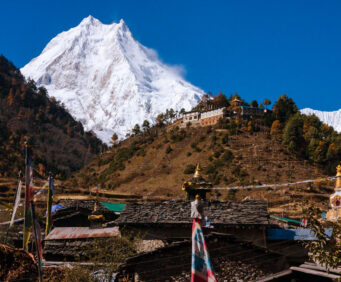
This scenic trek combines spectacular Himalayan views with authentic Tamang and Gurung culture. You will walk through terraced farmland, rhododendron forests, alpine meadows and traditional mountain villages. The trail also passes through the historic Somdang area, known for its old mining heritage.
The highest point of the trek is Pangsang Pass at approximately 3,830 meters. From the pass, you can enjoy impressive views of Ganesh Himal and surrounding Himalayan peaks. The route includes some steep and rough sections, so previous hiking experience and good physical fitness are recommended.
Himalayan Abode Travel and Tours can arrange the required transportation, guide, permits, accommodation and trekking support for a safe and memorable Ruby Valley adventure.
Trek Highlights
- Explore one of Nepal’s peaceful and less crowded trekking routes.
- Trek through the remote Ganesh Himal region.
- Experience authentic Tamang and Gurung village culture.
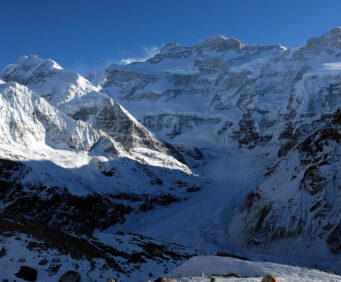
- Enjoy panoramic views of Ganesh Himal, Langtang and Manaslu ranges.
- Cross Pangsang Pass at approximately 3,830 meters.
- Visit Gatlang, a traditional Tamang settlement.
- Walk through pine, rhododendron and Himalayan forests.
- Explore Parvati Kund and the Somdang mining area.
- Discover the historic Ruby Valley landscape and old gem-mining heritage.
- Stay in local teahouses and community lodges where available.
- Walk through terraced fields, alpine pastures and traditional villages.
- Enjoy a genuine rural Himalayan experience away from crowded trails.
- Complete the trek with scenic drives through Dhading and the Budhi Gandaki region.
Why Choose Ruby Valley Trek?
The Ruby Valley Trek is ideal for travelers seeking a quieter Himalayan journey. Unlike popular routes such as Everest Base Camp and Annapurna Base Camp, this trail offers fewer trekkers and a more authentic connection with local communities.
The trek is also culturally rewarding. Tamang and Gurung villages preserve traditional lifestyles, local architecture, farming practices and Himalayan hospitality. The route’s moderate altitude makes it suitable for trekkers who want a remote experience without reaching the extreme elevations found on many classic Nepal treks.
Trek Facts
| Category | Details |
|---|---|
| Trek name | Ruby Valley Trek |
| Region | Ganesh Himal and Ruby Valley |
| Starting point | Syabrubesi |
| Ending point | Dhading Besi or Kathmandu, depending on route |
| Duration | 9 days on the trekking route |
| Maximum altitude | Approximately 3,830m at Pangsang Pass |
| Trek grade | Moderate to challenging |
| Average walking time | 5–7 hours per day |
| Accommodation | Basic teahouses and local lodges; camping may be required on some route variations |
| Main ethnic communities | Tamang and Gurung |
| Best seasons | Spring and autumn |
| Main attractions | Gatlang, Parvati Kund, Somdang, Pangsang Pass and Ruby Valley |
| Trek style | Guided teahouse or camping trek |
Best Time to Visit
The best seasons for the Ruby Valley Trek are spring and autumn.
Spring, from March to May, brings blooming rhododendrons, mild temperatures and colorful forest trails. Autumn, from September to November, usually offers clear skies, stable weather and excellent Himalayan visibility.
Winter can provide peaceful trails and crisp mountain views, but snow may affect Pangsang Pass. The monsoon season brings heavy rain, slippery trails, leeches and cloud cover. Road access can also become difficult during periods of intense rainfall.
Always check current trail conditions before departure. Snow can occasionally block high passes outside the main winter period as well.
Itinerary
Day 01Kathmandu to Syabrubesi and Gatlang
Your Ruby Valley Trek begins with a scenic drive from Kathmandu to Syabrubesi. The route follows the Trishuli Valley and passes through green hills, rivers, terraced fields and traditional settlements.
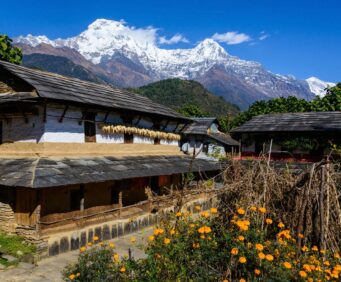
After reaching Syabrubesi, continue toward Gatlang by local road or trekking trail, depending on road conditions and the final route plan. Gatlang is a beautiful Tamang village known for its stone houses, traditional culture and welcoming community.
Take time to explore the village and enjoy views of the surrounding hills.
Day 02Gatlang to Somdang
After breakfast, begin walking from Gatlang toward Parvati Kund. The trail passes through pine and rhododendron forests before reaching open alpine meadows.
Continue along the hillside toward higher pastures and remote mountain terrain. Depending on the route condition, you may cross or approach Khurpu Dada before descending gradually toward Somdang.
Somdang is a remote settlement surrounded by forests and highland landscapes. The area is also associated with historic mining activity, which adds a unique cultural and historical dimension to the trek.
Day 03Somdang to Pangsang Pass
Today is one of the most important days of the Ruby Valley Trek. The trail climbs gradually from Somdang through forest and open mountain terrain.
As you gain elevation, the landscape becomes more rugged. The trail may include rocky sections and steep climbs. Walk slowly, drink plenty of water and follow your guide’s instructions.
Reach Pangsang Pass, the highest point of the trek at approximately 3,830 meters. From the pass, enjoy panoramic views of Ganesh Himal and the surrounding Himalayan ranges.
After spending time at the viewpoint, descend carefully toward the overnight stop.
Day 04Pangsang Pass to Tipling
Leave the high pass behind and descend through rhododendron and mixed forests. The trail gradually enters a warmer landscape with terraced hillsides and traditional settlements.
Continue toward Tipling, a culturally rich village inhabited mainly by Gurung communities. The descent can be steep in places, so use trekking poles and maintain a comfortable pace.
In the evening, enjoy the peaceful atmosphere of Tipling and learn more about local traditions from your guide and hosts.
Day 05Tipling to Borang
Today’s trail passes through beautiful mountain villages and cultivated terraces. Walk from Tipling toward Sertun before continuing to Borang.
The route is generally more relaxed than the previous high-altitude section. Enjoy the changing landscapes, forested slopes and distant mountain views.
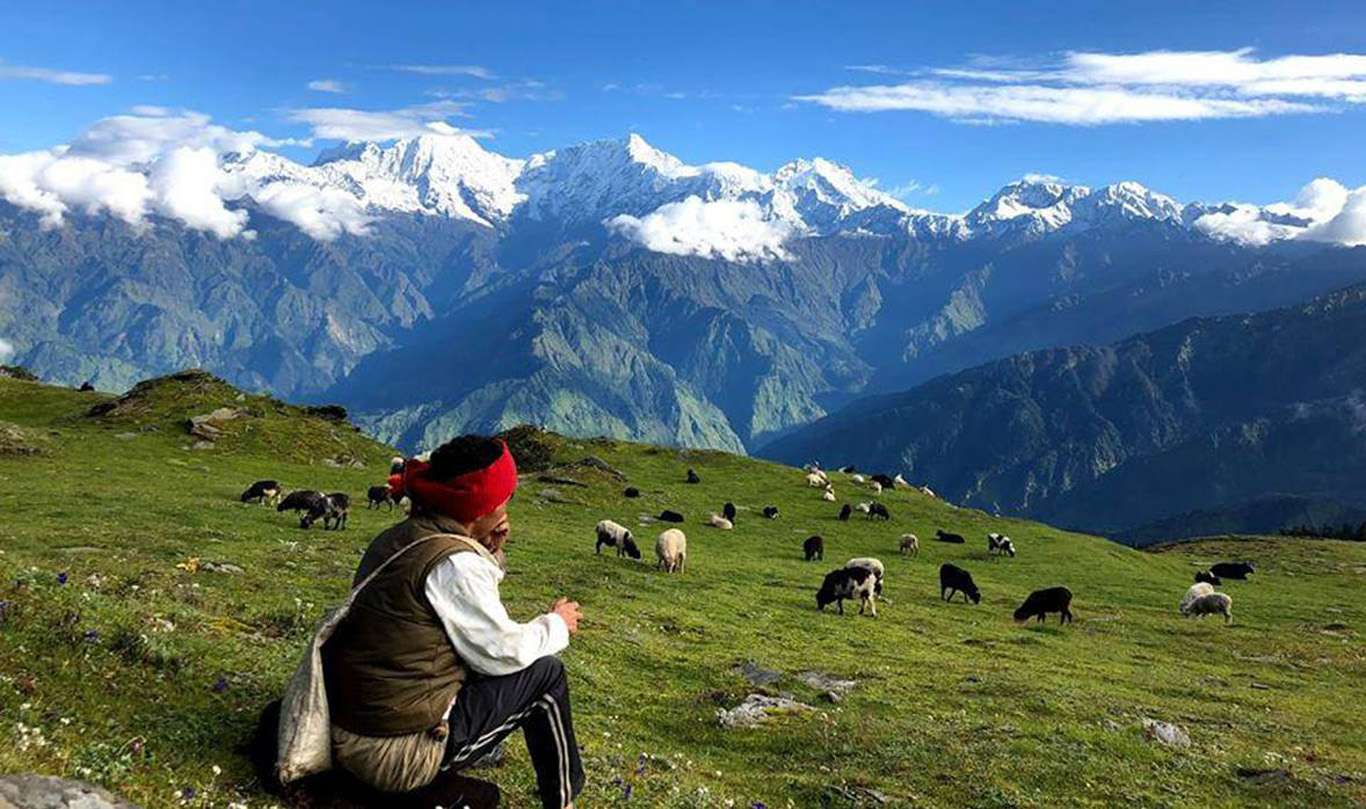
Borang provides an opportunity to observe everyday rural life. Depending on the season, you may see villagers working in the fields or tending livestock.
Day 06Borang to Lapa Gaon
After breakfast, descend toward the river and cross a suspension bridge over the Lapa Khola. The trail then climbs gradually toward Lapa Gaon.
Lapa Gaon is a large Tamang settlement surrounded by forest and terraced farmland. The trail can be less clearly marked in some sections, so stay with your guide and do not walk ahead alone.
Depending on local accommodation availability, the overnight stay may be in a basic teahouse or a supported campsite.
Day 07Lapa Gaon to Nauban Kharka
Today, the trail climbs through mixed forest toward higher grazing areas. The route includes steep sections, narrow paths and several forested ridges.
Pass through local rest areas and open kharkas, which are traditional pasturelands used by herders. Continue toward Mangro Pass and the Myangmal Kharka area.
The trail becomes more remote as you approach Nauban Kharka. Camp overnight in this peaceful highland setting and enjoy the quiet atmosphere of the forest and meadows.
Day 08Nauban Kharka to Machha Khola
Begin the day with a long descent through dense forest. The trail passes over rugged terrain and crosses a bridge near the Richel Khola.
Continue toward Yarsa village before descending into the Budhi Gandaki Valley. Follow the trail carefully toward Machha Khola.
Some sections of this route can be confusing, especially near trail junctions. Your local guide will help you follow the correct path and arrange local support if needed.
Machha Khola is connected with the Manaslu trekking region and offers basic teahouse accommodation.
Day 09Machha Khola to Kathmandu
After breakfast, begin the drive from Machha Khola toward Arughat or Dhading Besi, depending on the road and final transportation plan.
Continue by vehicle toward Kathmandu. The journey follows river valleys, rural settlements and winding hill roads.
Arrive in Kathmandu and check in at your hotel. In the evening, rest or enjoy a farewell dinner with your trekking team.
Not satisfied with this itinerary?
Are you interested in planning a customized trip that suits you?
Includes/Excludes
What's included?
- Airport pickup and departure transfer.
- Kathmandu hotel accommodation with breakfast.
- Transportation from Kathmandu to Syabrubesi.
- Transportation from the trek ending point to Kathmandu.
- Experienced English-speaking, government-registered trekking guide.
- Local porter service, if included in the confirmed package.
- Guide and porter food, accommodation, salary and insurance.
- All required trekking permits and TIMS arrangements.
- Teahouse accommodation during the trek.
- Camping equipment and staff support where camping is required.
- Breakfast, lunch and dinner during the trek.
- Trekking route planning and official documentation.
- Company duffel bag or trekking equipment, if specified in the booking.
- Government taxes and service charges.
What's excluded?
- International airfare.
- Nepal tourist visa fee.
- Travel and medical insurance.
- Emergency evacuation and rescue costs.
- Personal trekking equipment.
- Sleeping bag and down jacket, unless provided in the confirmed package.
- Snacks, bottled drinks and alcoholic beverages.
- Hot showers, charging and internet fees at teahouses.
- Personal expenses and laundry.
- Tips for guides, porters and drivers.
- Meals in Kathmandu, unless specifically listed.
- Additional accommodation caused by flight delays, road closures or itinerary changes.
- Extra transportation caused by illness, injury or early departure.
- Any service not specifically mentioned under “What Is Included.”
Useful Info
Trek Difficulty and Safety
The Ruby Valley Trek is best classified as a moderate to challenging trek. It does not reach the extreme altitude of Everest Base Camp, but it includes long walking days, steep ascents, rough trails, suspension bridges and limited infrastructure.
The highest point is Pangsang Pass at approximately 3,830 meters. Altitude-related problems remain possible, even though the elevation is lower than many high-altitude treks. Walk slowly, stay hydrated and report symptoms such as headache, dizziness, nausea or unusual fatigue to your guide.
A licensed local guide is especially valuable on this route because some trails have limited signage. The official Nepal Tourism Board advises trekkers to obtain a TIMS Card for the Ganesh Himal–Ruby Valley trekking area. Permit requirements can vary according to the exact route, so Himalayan Abode will confirm and arrange the applicable documents before the trek.
Packing List
- Waterproof trekking boots with good ankle support.
- Comfortable trekking trousers and moisture-wicking shirts.
- Warm fleece, insulated jacket and thermal layers.
- Waterproof jacket and trousers.
- Sun hat, sunglasses and sunscreen.
- Warm hat, gloves and woolen socks.
- Sleeping bag suitable for cold mountain nights.
- Trekking poles.
- Headlamp with spare batteries.
- Reusable water bottle and water-purification tablets.
- Small daypack and waterproof backpack cover.
- Personal medication and basic first-aid supplies.
- Hand sanitizer and personal hygiene items.
- Power bank and charging adapter.
- Passport, permits and copies of travel documents.
- Lightweight towel and quick-drying clothing.
Best Time for Ruby Valley Trek
The ideal months for the Ruby Valley Trek are March to May and September to November. Spring provides pleasant temperatures and blooming rhododendrons. Autumn offers stable weather, clear mountain views and comfortable trekking conditions.
December to February can be cold, particularly near Pangsang Pass and Nauban Kharka. June to August is the monsoon season, when rain can make trails slippery and roads difficult.
FAQs
What is the Ruby Valley Trek?
The Ruby Valley Trek is a remote cultural trekking route through Nepal’s Ganesh Himal region. It combines mountain views, traditional Tamang and Gurung villages, forests, highland pastures and the historic Somdang area.