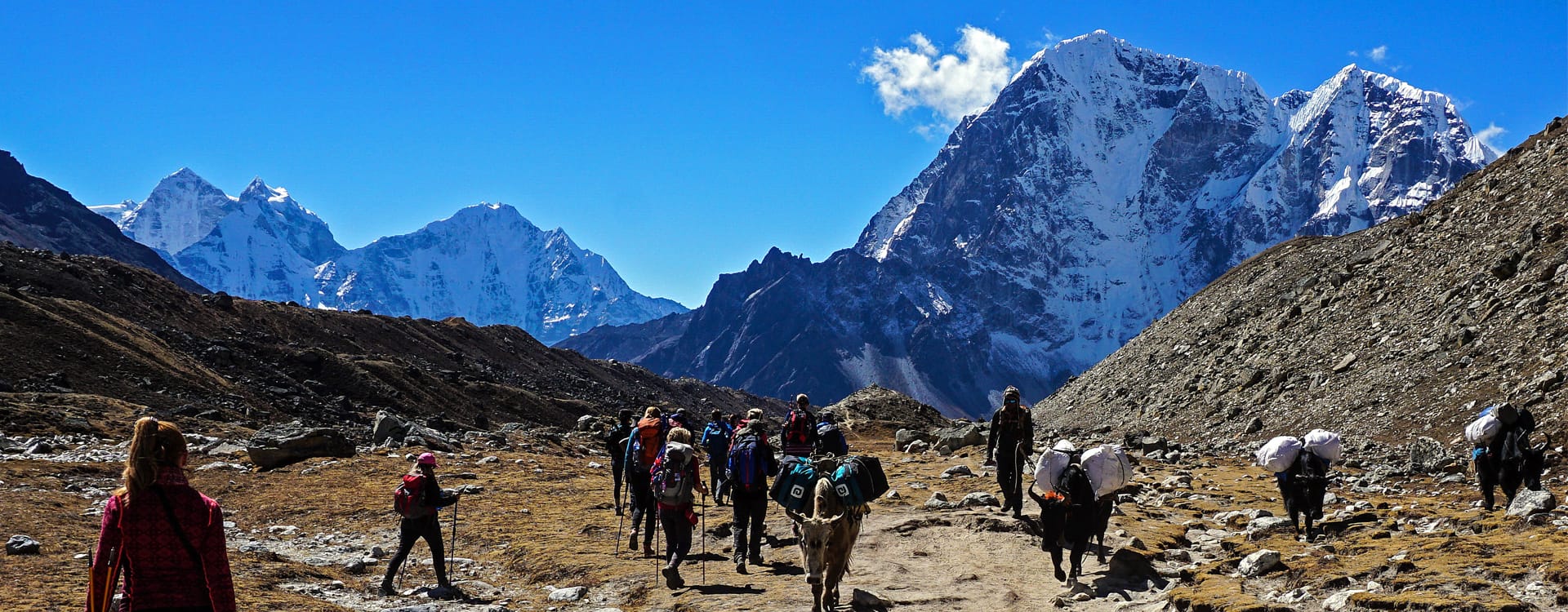
Trekking in Nepal 2026: Why it is still a top choice
12th April, 2026 - Posted By: Himalayan AbodeTrekking in Nepal 2026 is still one of the best ways to see the Himalayas. Each year, thousands of trekkers fly into Kathmandu and choose trails in Everest, Annapurna, or Langtang regions. The mix of high peaks, local culture, and friendly villages makes trekking in Nepal 2026 very attractive.
You do not need to be a pro climber to enjoy trekking in Nepal 2026. A good trekking agency in Nepal can plan a safe route based on your fitness and time. This guide will help you understand weather, safety, permits, and what real trekking in Nepal 2026 feels like.
When is the best time for trekking in Nepal 2026?
The best seasons for trekking in Nepal 2026 are spring (March–May) and autumn (September–November). These months have clear skies, stable temperatures, and safe trails.
In spring, you see green forests and blooming rhododendron. The weather is warm at lower altitudes and cool higher up. This is a good time for beginners and families.
In autumn, the monsoon rain has passed. The air is dry and the views are sharp. You get clear photos of Everest, Annapurna, and other peaks. Many strong trekkers choose this time for high‑altitude routes.
Avoid monsoon (June–August) if you are new. Trails can be muddy, slippery, and foggy. Winter (December–February) is cold and can be snowy on passes. If you go in winter, pick lower routes and use a local guide.
Weather and conditions during trekking in Nepal 2026
Weather in Nepal changes fast at high altitudes. One day can be sunny and warm. The next day can be cold and foggy. You should plan for both rain and cold on any trek.
In the mountains, mornings are often clear. Clouds build in the afternoon. You may see mist or light rain on the upper trail. Always carry a rain jacket and warm layers.
Nighttime temperatures drop sharply at higher camps. Even in spring or autumn, you may need a sleeping bag rated for –10°C. Teahouses are warm but not heated like city hotels.
Wind can be strong on passes and high ridges. Keep your head covered and use gloves. If the weather looks bad, your guide may change your route or rest day.
How fit should you be for trekking in Nepal 2026?
Most treks in Nepal 2026 are for healthy, active people, not climbers. You do not need technical skills, but you must walk several hours per day.
Before you go, practice:
- Walking 8–15 km on flat or hilly ground
- Carrying a backpack of 5–8 kg
- Climbing stairs or small hills with a full daypack
If you are new to hiking, choose a shorter route like Poon Hill or lower Annapurna trails. If you are strong, you can try Everest Base Camp, Annapurna Circuit, or Langtang.
Trekking in Nepal 2026 works best if you:
- Sleep well each night
- Drink enough water
- Walk at a steady pace
Your guide will slow down if you feel tired. Do not rush for photos.
Altitude and health safety on trekking in Nepal 2026
Altitude is the main risk during trekking in Nepal 2026. Higher trails have less oxygen. Your body must adjust slowly. If you climb too fast, you may feel sick.
Common signs of altitude sickness include:
- Strong headache
- Nausea or vomiting
- Dizziness or confusion
- Shortness of breath
To stay safe:
- Walk slowly and take breaks
- Drink 3–4 liters of water per day
- Avoid alcohol and heavy food
- Sleep at a lower altitude when possible
Most good itineraries add rest days at key altitudes like Namche, Dingboche, or Manang. Use these days to walk short loops and let your body adjust. If you feel very sick, tell your guide and do not climb higher.
Permits and legal rules for trekking in Nepal 2026
You cannot start most treks without permits. The government uses these to control visitor numbers and protect nature. For trekking in Nepal 2026, you may need:
- TIMS card (Trekkers’ Information Management System)
- National Park or Conservation Area Permit (for Everest, Annapurna, or Langtang)
Most trekking agencies include these in the package. You give your passport details and photos, and the agency handles the rest. You will get printed copies to show at checkpoints.
Carry your passport, permit, and travel insurance details in your daypack. Check the rules at your starting point. A local guide knows the latest rules and can help you avoid fines.
What to pack for trekking in Nepal 2026
Packing correctly makes trekking in Nepal 2026 more comfortable and safe. You need to stay warm, dry, and hydrated on the trail.
Basic gear list:
- Warm jacket (down or synthetic)
- Fleece or wool layers
- Waterproof jacket and pants
- Good hiking boots (broken in before the trip)
- Warm sleeping bag (rated at least –10°C)
- Headlamp with extra batteries
- Refillable water bottle or bladder
- Small backpack (30–40 liters) for day walks
- Simple first‑aid kit and personal medicines
You can buy or rent gear in Kathmandu or Pokhara. Ask your trekking agency for a simple packing list. Do not carry too much weight. Heavy backpacks make walking harder and slower.
How to choose the right route for trekking in Nepal 2026
Choosing the right route is key for trekking in Nepal 2026. You can pick from easy, moderate, or hard treks.
Ask yourself:
- Do you have 4–7 days, 8–14 days, or 15+ days?
- Are you a beginner, intermediate, or strong trekker?
- Do you prefer low‑altitude walks or high‑mountain passes?
- Do you want more culture and villages or just mountain views?
If you are new, choose shorter routes like Poon Hill or lower Annapurna trails. If you are strong and want a challenge, try Everest Base Camp, Annapurna Circuit, or Langtang.
A trekking agency in Nepal can match your fitness, time, and budget. You will get a clear itinerary and real‑world tips before you go.
Typical costs for trekking in Nepal 2026
Costs for trekking in Nepal 2026 change with route, season, and group size. Most agencies offer all‑in packages. These often include:
- Guide and porter
- Teahouse accommodation
- Breakfast and dinner
- All permits and local transport
A standard guided trek in Nepal 2026 can cost between $800–$1,600 per person. Shorter, easier routes like Poon Hill cost less. Longer, high‑altitude treks like Everest Base Camp cost more.
Always ask what is included and excluded before you pay. Clear pricing helps you avoid hidden fees. Check if flights, insurance, and tips are extra.
Why use a trekking agency in Nepal for trekking in Nepal 2026?
Some trekkers walk alone and book flights and permits themselves. This can work for experienced travelers. For most people, using a trekking agency in Nepal makes trekking in Nepal 2026 safer and easier.
A local agency helps you by:
- Choosing safe routes and correct itineraries
- Booking permits, hotels, and flights
- Providing local guides and porters
- Giving emergency support if you feel sick
Local guides understand weather, altitude, and culture. They speak English and Nepali and can translate for you. You avoid getting lost, stuck, or overcharged on the trail.
What to expect from teahouses and local food
During trekking in Nepal 2026, you usually sleep in teahouses. These are small lodges run by local families. They provide simple rooms and basic meals.
Most teahouses offer:
- Twin rooms or dorms
- Shared toilets and hot water (sometimes for a small fee)
- A warm dining room with simple food
Popular dishes include:
- Dal bhat (rice, lentils, vegetables)
- Noodles, soup, and momos (dumplings)
- Tea, coffee, and hot lemon drinks
Food is simple but filling. You can ask for refillable meals on most routes. Staff are friendly and used to foreign trekkers. You can talk, rest, and share stories in the common room.
Frequently Asked Questions (FAQ)
1. What does trekking in Nepal mean?
Trekking in Nepal 2026 means walking on mountain trails in Nepal this year. Popular regions include Everest, Annapurna, and Langtang. You walk with a guide or alone and stay in teahouses.
2. Is trekking in Nepal safe in 2026?
Trekking in Nepal is safe in 2026 if you follow basic rules. Walk slowly, drink water, avoid bad weather, and use a local guide. Registered agencies follow safety and permit rules.
3. When is the best time for trekking in Nepal 2026?
The best time is spring (March–May) and autumn (September–November). These months have clear skies and safe trails. Avoid monsoon and deep winter if you are new.
4. Do I need a guide for trekking in Nepal 2026?
You do not legally need a guide. But using a trekking agency in Nepal with a guide is safer. The guide handles permits, directions, and emergency help.
5. How hard is trekking in Nepal?
Most treks are moderate for healthy people. You walk 4–7 hours per day. Altitude and weather are the main challenges. Choose a route that matches your fitness and experience.
6. What permits do I need for trekking in Nepal?
You usually need a TIMS card and a National Park or Conservation Area Permit. Annapurna, Everest, and Langtang all need these. Your agency often includes them in the price.
7. How much does trekking in Nepal cost?
Most guided treks cost 800–1,600 USD per person. Shorter routes are cheaper. Longer, high‑altitude routes are more expensive. Always ask for a clear price list before you pay.
8. Can beginners do trekking in Nepal 2026?
Yes. Many beginners choose Poon Hill or lower Annapurna trails. These are short, not too high, and easy to follow. Train for 4–6 weeks and move at a slow pace.
9. What should I pack for trekking in Nepal?
Pack warm layers, a waterproof jacket, good hiking boots, a warm sleeping bag, and a headlamp. Carry a small backpack, water bottle, and a simple first‑aid kit. Do not overload your bag.
10. How do I book trekking in Nepal with Himalayan Abode?
Send your travel dates, preferred region, and group size to Himalayan Abode. You receive a clear trekking in Nepal 2026 itinerary and price. Pay a deposit, confirm flights, and meet your guide in Kathmandu or Pokhara.
Recent Posts