Manaslu Circuit Trek 2026: Permits, Cost & Itinerary
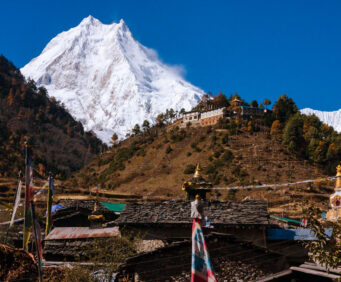
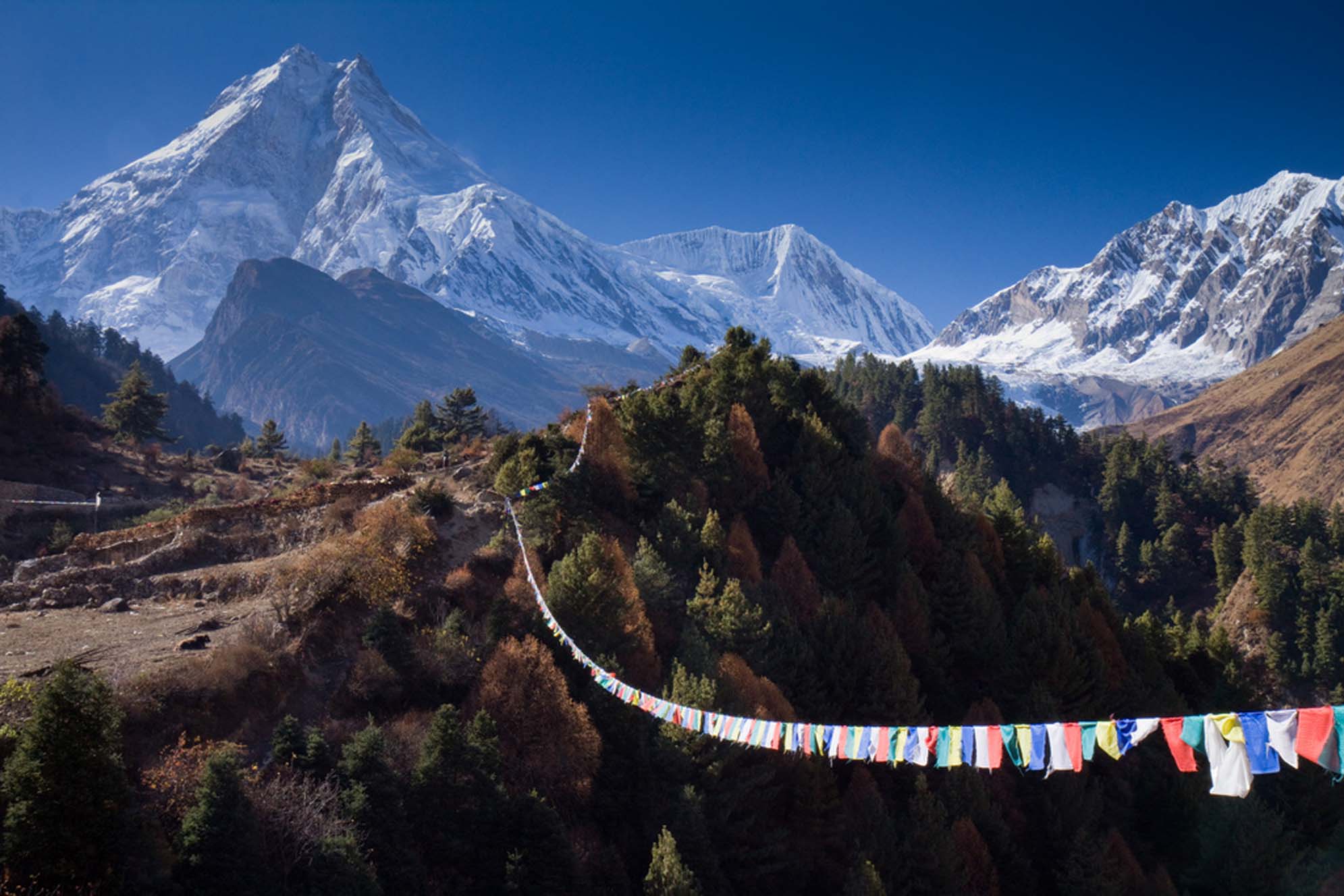
23rd August, 2026 - Posted By: Himalayan AbodeCircling the eighth-highest mountain on Earth without the crowds of Everest or Annapurna — that’s the appeal of the Manaslu Circuit Trek. Tucked in the Gorkha district of Nepal, this restricted-area route takes you through terraced farmland, Tibetan Buddhist villages, and a high mountain pass, all beneath the towering presence of Manaslu (8,163m).
Because it’s a restricted region requiring special permits, Manaslu sees a fraction of the foot traffic that Everest Base Camp or Annapurna Circuit attract — which is exactly why serious trekkers are adding it to their 2026 plans. This guide covers everything you need: permits, cost, itinerary, difficulty, and the best time to go.
Why Trek the Manaslu Circuit in 2026
The Manaslu Circuit Trek offers a rare combination: Everest-level scenery, Annapurna-level cultural immersion, and a fraction of the trekker numbers of either. A few reasons it’s gaining attention in 2026:
- Restricted-area exclusivity. Special permit requirements naturally limit numbers, so trails and teahouses feel far less crowded than the classic circuits.
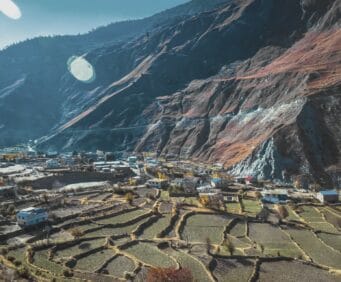
- Diverse landscapes in one trek. You’ll pass through subtropical forest, terraced hillsides, and high alpine terrain, crossing into Tibetan-influenced villages as you gain altitude.
- A genuine high pass. The Larkya La Pass (5,106m) delivers a true high-altitude crossing without needing technical climbing skills.
- Growing infrastructure. Teahouses along the route have steadily improved in recent years, making the trek more comfortable than it was a decade ago while still feeling remote.
Manaslu Circuit Trek Difficulty
The Manaslu Circuit Trek is rated moderate to challenging, primarily due to the Larkya La Pass crossing and the extended time spent above 4,000m.
Key factors to consider:
- Maximum altitude: The Larkya La Pass sits at 5,106m, with several nights spent at 3,500–4,800m beforehand for acclimatization.
- Trek duration: Most itineraries run 14–18 days, longer than Langtang and comparable to Annapurna Circuit.
- Daily walking time: Expect 5–7 hours per day, with the pass-crossing day requiring 8–9 hours of sustained effort.
- Remoteness: Facilities are more basic than on Everest or Annapurna routes, and there’s no way to shorten the trek with a flight partway through.
Prior trekking experience isn’t mandatory, but a solid fitness base and some multi-day hiking experience will make the Larkya La crossing far more manageable.
Best Time to Trek Manaslu Circuit
Choosing the right season matters more on Manaslu than on many other routes, since the Larkya La Pass can become dangerous in poor weather.
Autumn (September–November) — The most popular and generally safest window. Clear skies, stable weather, and excellent visibility of Manaslu and surrounding peaks make this the top choice for crossing Larkya La.
Spring (March–May) — The second-best season, with blooming rhododendrons on the lower trail and generally good visibility, though afternoon clouds are more common than in autumn.
Winter (December–February) — The Larkya La Pass is frequently snowbound and can become impassable or highly risky. Not recommended unless you’re an experienced high-altitude trekker with a flexible schedule.
Monsoon (June–August) — Avoid this season. Heavy rain, leeches, and landslide risk on lower sections make trekking conditions poor, and cloud cover obscures the mountain views that make this trek worthwhile.
Manaslu Circuit Trek Itinerary (14–16 Days)
Here is a typical itinerary followed by most trekking operators, including Himalayan Abode:
Day 1: Kathmandu to Machha Khola (approx. 7–8 hours by road)
Drive from Kathmandu to the trailhead area, passing through rural hill towns along the way.
Day 2: Machha Khola to Jagat (approx. 6–7 hours)
Follow the Budhi Gandaki River through forest and small villages, crossing several suspension bridges.
Day 3: Jagat to Deng (approx. 6 hours)
Enter the restricted area as the valley narrows and the trail becomes more remote.
Day 4: Deng to Namrung (approx. 5–6 hours)
Pass through Tibetan-influenced villages as the landscape begins shifting toward alpine terrain.
Day 5: Namrung to Lho (approx. 4 hours)
A shorter day allowing early acclimatization, with your first clear views of Manaslu.
Day 6: Lho to Samagaon (approx. 4 hours)
Arrive in Samagaon, a key acclimatization base with strong Tibetan Buddhist cultural influence.
Day 7: Acclimatization day in Samagaon
Optional side hike to Manaslu Base Camp or Pungyen Gompa for altitude adjustment and spectacular close-up mountain views.
Day 8: Samagaon to Samdo (approx. 3–4 hours)
A short, easy day to continue acclimatizing near the Tibetan border.
Day 9: Acclimatization day in Samdo
Rest or hike to nearby ridgelines to aid adjustment before the pass crossing.
Day 10: Samdo to Dharamsala (Larkya Phedi) (approx. 3–4 hours)
Move to the final camp before the pass, keeping the day short to conserve energy.
Day 11: Dharamsala to Bimthang via Larkya La Pass (approx. 8–9 hours)
The trek’s toughest and most rewarding day — crossing the 5,106m pass with panoramic views before descending into Bimthang.
Day 12: Bimthang to Dharapani (approx. 6 hours)
Descend through forest, rejoining lower-altitude terrain and warmer temperatures.
Day 13: Dharapani to Kathmandu (approx. 7–8 hours by road)
Drive back to Kathmandu via the Annapurna region road network, completing the circuit.
Some operators add a buffer day for weather delays around the pass crossing, extending the trip to 16–18 days total.
Manaslu Circuit Trek Cost 2026
Manaslu costs more than many other treks in Nepal for one main reason: mandatory special permits and the requirement to trek with a licensed guide.
- Special Restricted Area Permit: Required for all foreign trekkers, priced per week with a surcharge for extended stays, and only issued through a registered trekking agency.
- Manaslu Conservation Area Permit (MCAP): A separate entry permit required alongside the restricted area permit.
- Annapurna Conservation Area Permit (ACAP): Needed for the final stretch of the trek near Dharapani, since the route exits through part of the Annapurna Conservation Area.
- Mandatory guide: Unlike some other regions, solo trekking is not permitted on Manaslu — you must trek with a licensed guide, which is included in most agency packages.
All-inclusive packages typically cover permits, guide, porter, accommodation, and meals during the trek, making Manaslu comparable in overall cost to Annapurna Circuit despite the extra permit fees, since no domestic flight is required.
Permits Required for Manaslu Circuit Trek
The Manaslu Circuit requires more permits than most other treks in Nepal:
- Manaslu Restricted Area Permit (RAP) — issued only through a licensed trekking agency, with pricing varying by season and trek duration.
- Manaslu Conservation Area Permit (MCAP)
- Annapurna Conservation Area Permit (ACAP) — required for the trail’s final section
Because of the restricted-area status, independent trekking without a licensed agency and guide is not legally permitted on this route.
What to Pack for Manaslu Circuit Trek
Given the altitude range and pass crossing, packing carefully matters more here than on shorter, lower-altitude treks.
- Insulated down jacket for nights at Samagaon, Samdo, and the Larkya Phedi camp
- Thermal base layers for the pass-crossing day
- Sturdy, well broken-in hiking boots with ankle support
- Trekking poles, especially useful on the Larkya La descent into Bimthang
- Water purification tablets or a filter
- Sun protection: sunglasses rated for snow glare, hat, high-SPF sunscreen
- Basic first-aid kit with altitude sickness medication, after consulting a doctor
- Headlamp for the early-morning start on pass-crossing day
Accommodation and Food on the Trail
Teahouses line the entire route, though facilities become noticeably more basic beyond Samagaon. Meals follow the usual trekking staples — dal bhat, noodle soup, momos, and porridge — with fewer menu options the higher and more remote you go. Expect no hot showers or reliable electricity beyond Samdo, and bring cash, since there are no ATMs along the trail.
Manaslu Circuit vs. Annapurna Circuit
Both treks share similarities — teahouse trekking, a high pass crossing, and diverse landscapes — but key differences matter when choosing between them:
- Crowds: Manaslu sees far fewer trekkers due to restricted-area permit requirements, while Annapurna Circuit remains one of Nepal’s most popular routes.
- Guide requirement: Manaslu mandates a licensed guide; Annapurna allows independent trekking.
- Permit cost: Manaslu’s restricted area permit adds meaningful cost compared to Annapurna’s more affordable ACAP-only requirement.
- Trail infrastructure: Annapurna has more developed teahouses and amenities, reflecting its higher visitor numbers.
If solitude and a more raw, off-the-beaten-path experience matter most to you, Manaslu is the stronger choice.
Frequently Asked Questions
Can I trek Manaslu Circuit independently?
No. The restricted-area status requires all foreign trekkers to be accompanied by a licensed guide arranged through a registered agency.
How difficult is the Larkya La Pass?
It’s a demanding but non-technical crossing at 5,106m, requiring good acclimatization and a long day of walking (8–9 hours) rather than climbing skills.
How long does the Manaslu Circuit Trek take?
Most itineraries run 14–18 days including road transport to and from Kathmandu and built-in acclimatization days.
Is Manaslu Circuit busier than it used to be?
It remains significantly quieter than Everest Base Camp or Annapurna Circuit, though interest is growing as more trekkers seek alternatives to the classic routes.
Ready to Trek Manaslu Circuit in 2026?
The Manaslu Circuit Trek delivers everything serious trekkers look for — a genuine high pass, dramatic mountain scenery, and rich Tibetan Buddhist culture — without the crowds of Nepal’s more famous routes. With mandatory permits and a required guide, careful planning with a licensed operator makes all the difference to a smooth, safe trip.
Contact our team today to book your Manaslu Circuit Trek and get a personalized 2026 itinerary and quote.
Recent Posts