Solo Trekking Nepal Safe: Guide, Permits, and Best Routes
18th October, 2026 - Posted By: Himalayan AbodeSolo trekking Nepal safe depends on preparation, route choice, and proper support. Nepal welcomes solo travelers, but most popular trekking areas require a licensed guide. You can travel alone as a solo customer while trekking with a guide or joining a small group.
Nepal is generally safe for solo trekkers, including solo women. The main risks come from altitude, weather, remote trails, and medical emergencies rather than violence. A licensed guide, reliable agency, and travel insurance greatly reduce these risks.
This guide explains solo trekking permits Nepal, the best routes, safety habits, and the difference between group and solo trekking. It also follows Himalayan Abode’s Everest View Trek itinerary as a practical example.
Is solo trekking Nepal safe?
Yes, solo trekking in Nepal can be safe when you plan carefully. The country has well-established trekking routes, teahouses, local communities, and rescue systems.
However, “solo” does not usually mean walking alone. Nepal requires a licensed trekking guide for most foreign trekkers in major trekking areas. You can still book a private trek and enjoy a personal, independent experience.
The biggest safety risks are:
- Altitude sickness.
- Sudden weather changes.
- Getting lost.
- Injuries on steep or slippery trails.
- Limited medical help in remote areas.
- Road and flight delays.
A guide helps manage these risks. They know the route, local conditions, and emergency procedures.
Is Nepal safe for solo female trekkers?
Yes. Is Nepal safe for solo female trekkers? Many women trek safely in Nepal every year. Popular routes have teahouses, local guides, and established communities.
Most problems reported by solo women involve unwanted attention, staring, or discomfort rather than serious violence. You can reduce these risks by choosing a reputable agency, staying in well-reviewed lodges, and keeping your guide informed about your plans.
For solo female trekkers, follow these habits:
- Choose a licensed female or male guide you feel comfortable with.
- Book through a registered agency, not an unknown social-media contact.
- Avoid walking alone after dark.
- Keep your room locked and valuables secure.
- Wear clothing that feels comfortable and appropriate for local culture.
- Tell your guide if someone makes you uncomfortable.
- Choose busy, established routes for your first trek.
A women-only group or private guided trek can offer extra comfort. However, many solo women also join mixed groups and have positive experiences.
Solo trekking permits Nepal
Trekking permits Nepal rules changed in 2026. Solo foreign travelers can now apply for restricted-area permits individually, but they must use a registered agency and travel with a licensed guide.
For most popular routes, you need:
- A trekking permit or national park entry fee.
- TIMS or required trekking documentation.
- A licensed guide arranged through a registered agency.
- Travel insurance with emergency evacuation coverage.
For restricted routes, you need additional permits. These routes include Manaslu, Tsum Valley, Upper Mustang, Upper Dolpo, Nar Phu, and Kanchenjunga.
The Department of Immigration requires restricted-area permits through an agency. The agency must arrange a licensed guide and take responsibility for emergency rescue arrangements.
Keep your permits with you at all times. Show them to officials or police when asked.
Best solo treks in Nepal
The best solo treks in Nepal are routes with clear paths, teahouses, reliable transport, and good safety support. These routes work well for first-time solo travelers.
Everest View Trek
The Everest View Trek is a moderate route in the Everest region. It gives you views of Everest, Lhotse, Ama Dablam, and other Himalayan peaks without reaching Everest Base Camp.
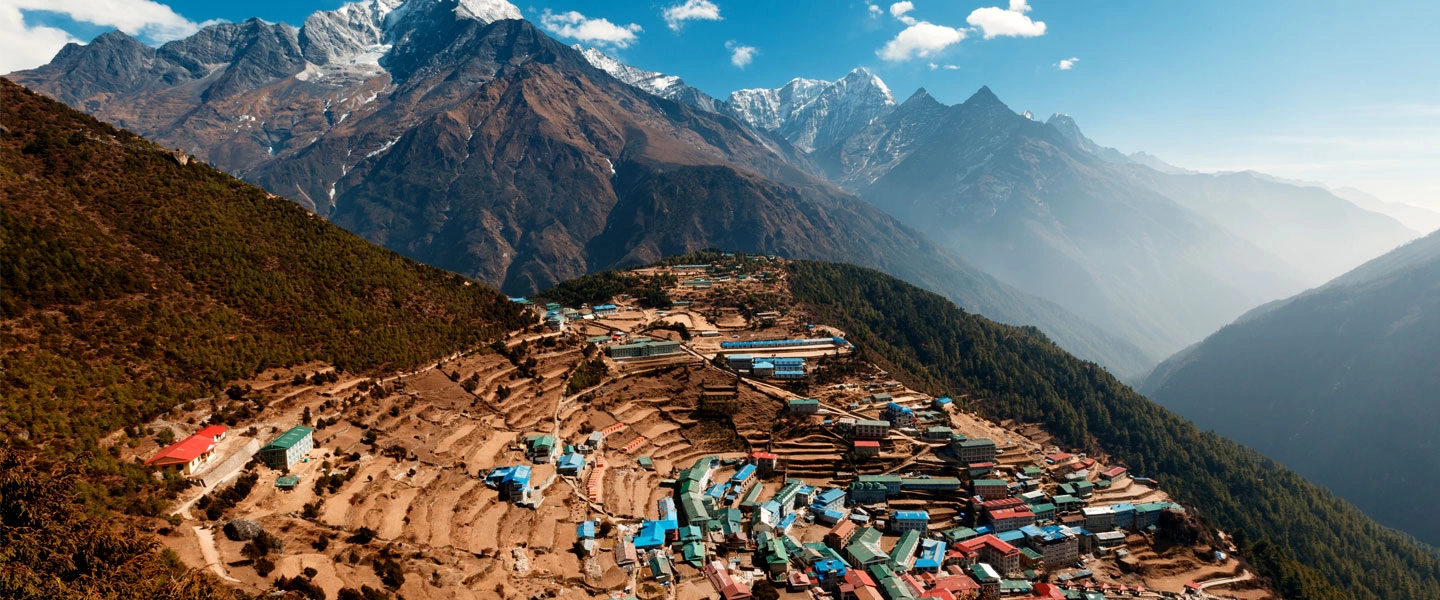
It suits solo travelers who want a shorter, well-supported trek. The route includes Namche Bazaar, Tengboche Monastery, and Sherpa villages.
Ghorepani Poon Hill Trek
Poon Hill is one of Nepal’s easiest and most popular short treks. You reach 3,210 meters and enjoy sunrise views of Annapurna and Dhaulagiri.
It suits beginners, families, and solo travelers with limited time. Teahouses are frequent, and the trail is easy to follow.
Langtang Valley Trek
Langtang Valley is a good choice for solo travelers who want mountain scenery and Tamang culture. The route starts from Kathmandu by road and reaches Kyanjin Gompa.
It has a moderate difficulty level. You should still use a guide because the route reaches high altitude.
Mardi Himal Trek
Mardi Himal is a shorter Annapurna route with beautiful views of Machhapuchhre and Annapurna South. It suits travelers who want a quieter trail with teahouse support.
Annapurna Base Camp Trek
Annapurna Base Camp is a classic moderate trek. It offers a large mountain amphitheater and reaches 4,130 meters.
It suits solo travelers with good fitness and some trekking experience. You need proper acclimatization and a reliable guide.
Group vs solo trekking Nepal
The choice between group vs solo trekking Nepal depends on your comfort level and travel style.
| Feature | Solo trekking | Group trekking |
|---|---|---|
| Privacy | High | Lower |
| Flexibility | High | Moderate |
| Cost | Usually higher | Usually lower |
| Social experience | Limited | Strong |
| Safety support | Guide only | Guide and group |
| Best for | Independent travelers | Beginners and social travelers |
Solo trekking gives you more privacy and flexibility. You can choose your dates, pace, and route. However, it usually costs more because you pay for guide support alone.
Group trekking costs less because you share guide, porter, and transport costs. It also gives you companionship and extra support.
For first-time trekkers, a small guided group is often the safest and most affordable option. For experienced travelers, a private guided trek offers more freedom.
Solo trekker safety tips Nepal
Use these solo trekker safety tips Nepal before and during your trek.
Before you leave
- Book a licensed guide through a registered agency.
- Buy insurance that covers high-altitude trekking and helicopter rescue.
- Check your route, permits, and weather forecast.
- Share your itinerary with family or friends.
- Carry copies of your passport, permits, and insurance.
- Save emergency contacts on your phone.
During the trek
- Walk at a steady pace and do not rush uphill.
- Drink water regularly.
- Eat enough food, even if you feel tired.
- Tell your guide about headaches, nausea, or dizziness.
- Stay on marked trails.
- Avoid walking after dark.
- Keep your room locked at night.
- Carry a charged phone and power bank.
- Respect local customs and ask before taking photos.
At high altitude
Altitude sickness can affect anyone. Symptoms include headache, nausea, dizziness, poor sleep, and loss of appetite.
If symptoms appear, stop gaining altitude. Rest, drink fluids, and monitor your condition. Descend immediately if symptoms become worse.
Do not ignore serious symptoms. A guide can arrange evacuation or medical support when needed.
Himalayan Abode itinerary: Everest View Trek
The Himalayan Abode Everest View Trek is a good example of a solo-friendly guided route. It lasts 10 days on the package page, with an 11-day final departure schedule. The route reaches 3,435 meters at Namche Bazaar.
Day 1 – Arrival in Kathmandu (1,350 m)
You arrive in Kathmandu and transfer to your hotel. You can rest and explore nearby areas.
Day 2 – Kathmandu sightseeing
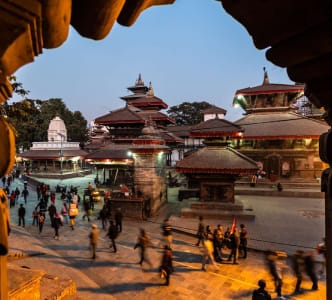
You visit Bhaktapur, Pashupatinath, and Boudhanath. In the evening, you return to your hotel.
Day 3 – Kathmandu to Lukla and trek to Phakding (2,623 m)
You fly to Lukla and trek for about four hours to Phakding. You stay overnight in a teahouse.
Day 4 – Phakding to Namche Bazaar (3,435 m)
You trek for about seven hours through forests, suspension bridges, and river valleys. You reach Namche Bazaar.
Day 5 – Acclimatization in Namche Bazaar
You spend a full day at Namche. You can hike to Khunde or Khumjung and visit the Sherpa Museum.
Day 6 – Namche Bazaar to Tengboche (3,960 m)
You trek through rhododendron forest and enjoy views of Everest, Lhotse, Ama Dablam, and Khangtega. You visit Tengboche Monastery.
Day 7 – Tengboche to Monjo (2,920 m)
You descend through Namche and cross suspension bridges. You stay overnight in Monjo.
Day 8 – Monjo to Lukla (2,850 m)
You trek back through Phakding to Lukla. You stay overnight in a lodge.
Day 9 – Lukla to Kathmandu (1,350 m)
You fly back to Kathmandu and transfer to your hotel.
Day 10 – Free day in Kathmandu
You can shop, rest, or enjoy a cultural dinner.
Day 11 – Final departure
You transfer to the airport for your flight home.
This route includes permits, guide and porter support, meals, accommodation, and trekking equipment. It is a strong option for solo travelers who want Everest views without the higher altitude of Base Camp.
What to pack for solo trekking
Pack light, but do not skip safety essentials.
Bring:
- Broken-in hiking boots.
- Layered clothing.
- Waterproof jacket and trousers.
- Warm jacket and gloves.
- Sun hat, warm hat, and sunglasses.
- Headlamp and spare batteries.
- Power bank.
- Water bottles and purification tablets.
- Personal medicine and first-aid kit.
- Copies of permits and insurance.
- Small amount of cash.
- Phone with emergency contacts saved.
Keep your daypack with you at all times. Put water, snacks, medicine, documents, and rain gear inside it.
Frequently Asked Questions
1. Is solo trekking Nepal safe for beginners?
Yes, if you choose a suitable route and use a licensed guide. Start with a short, well-supported trek such as Poon Hill or Everest View Trek.
2. Is Nepal safe for solo female trekkers?
Yes. Many solo women trek safely in Nepal. Choose a reputable agency, stay in busy areas, and follow basic personal safety habits.
3. Do I need a guide for solo trekking in Nepal?
Yes. Most popular trekking routes require a licensed guide for foreign trekkers. Restricted areas also require an agency and guide.
4. Can I get a solo trekking permit in Nepal?
Yes. Since 2026, solo travelers can apply for restricted-area permits individually through a registered agency. They must still use a licensed guide.
5. What are the best solo treks in Nepal?
Good options include Everest View Trek, Poon Hill, Langtang Valley, Mardi Himal, and Annapurna Base Camp.
6. Is group trekking safer than solo trekking?
Group trekking offers more companionship and shared support. Solo trekking can still be safe with a guide, insurance, and careful planning.
7. What should I do if I feel sick at altitude?
Stop climbing and tell your guide. Rest and drink fluids. Descend immediately if symptoms become worse.
8. How much does solo trekking cost?
Solo trekking usually costs more than group trekking because you pay for guide support alone. Costs depend on route, days, and comfort level.
9. What should I pack for solo trekking in Nepal?
Pack layered clothing, waterproof gear, hiking boots, a headlamp, water treatment, personal medicine, permits, insurance, and a power bank.
10. Can I trek alone without a guide in Nepal?
No. Most major trekking areas require a licensed guide for foreign trekkers. Restricted areas also require agency support.
Solo trekking in Nepal can be safe, rewarding, and flexible. Choose a suitable route, use a licensed guide, carry proper insurance, and follow local advice. With good preparation, you can enjoy Nepal’s mountains with confidence.
Recent Posts