Nepal Landslide 2026: Trekking Safety Update & What Every Traveler Needs to Know
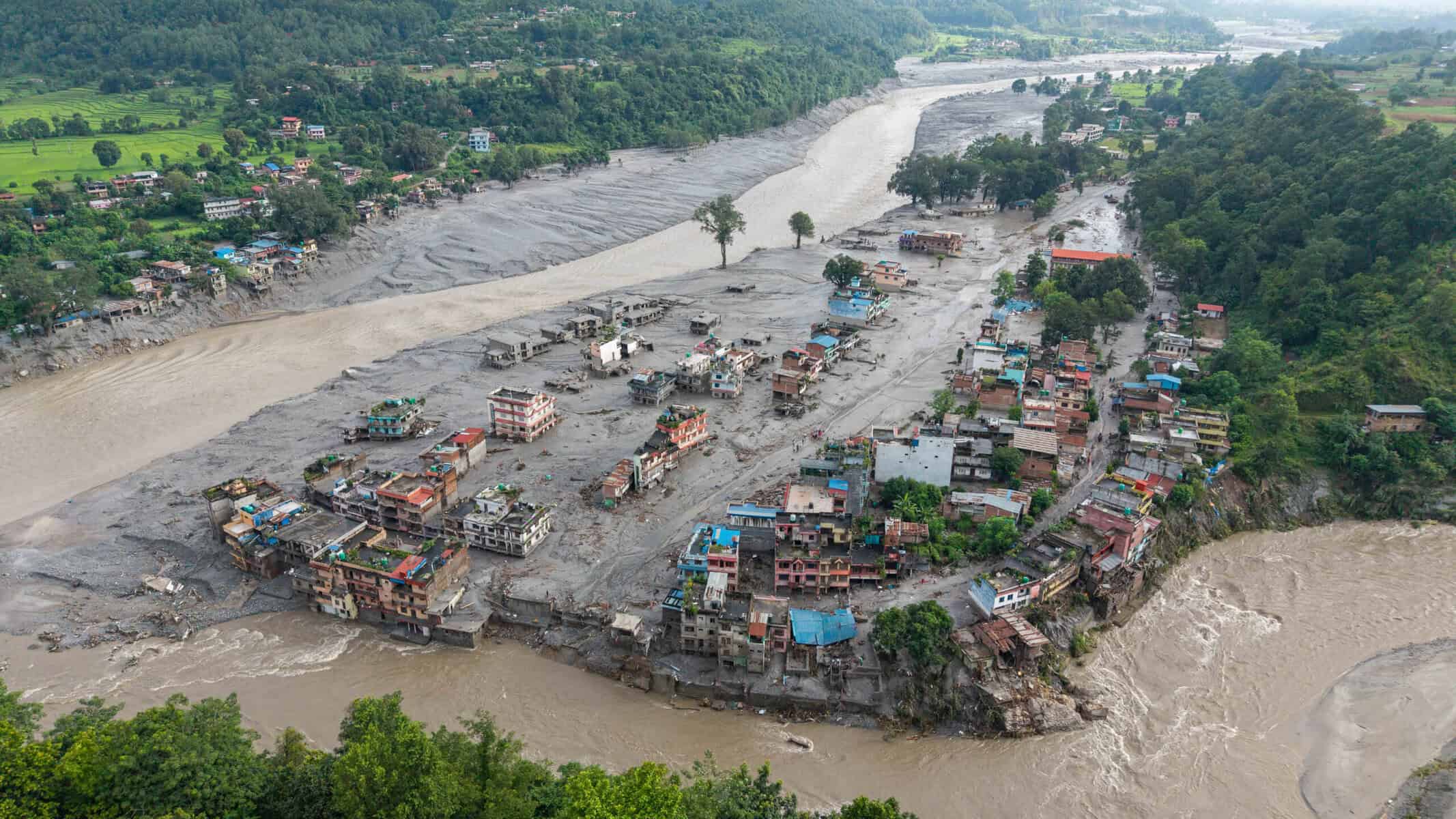
30th August, 2026 - Posted By: Himalayan AbodeA catastrophic debris flow struck the Nepal-Tibet border on August 26, 2026. Scientists believe a glacier-related slope failure near Langtang National Park triggered it. The flood surged nearly 100 kilometers downstream along the Lende Khola and Trishuli Khola rivers. It severely damaged the Rasuwagadhi border crossing, the town of Syabrubesi, and nearby infrastructure in Rasuwa district.
Maybe you have a trek booked in Nepal already. Maybe you’re still planning one and trying to make sense of the headlines. Either way, this guide gives you the current, verified picture. We’ll cover which regions are affected, which remain fully open, and what safety measures every trekker should take right now.
What Happened on August 26, 2026
Researchers investigating the disaster point to two combined causes. A massive glacial collapse likely happened alongside a landslide near Langtang Lirung, close to the China border. The resulting debris flow traveled a long way downstream, destroying roads, bridges, and settlements in its path. It also severely damaged the Gyirong Port border crossing, a route heavily used by trekkers and pilgrims heading toward Mount Kailash.
Search and rescue teams are still working in the affected areas as we write this. Authorities and international agencies are racing to assess the full scale of the damage. The numbers of affected and missing people keep changing by the hour. Please follow official Nepal Tourism Board updates and trusted international news sources for the latest figures. Don’t rely on any single blog post for casualty numbers, including this one.
Which Regions Are Affected
Directly impacted: Rasuwa district has taken the brunt of this disaster. Syabrubesi, Timure, and the surrounding Langtang region all sustained serious damage to roads and bridges. Local infrastructure across the district has also suffered. Authorities have flagged the Galchhi–Nuwakot–Rasuwa–Syabrubesi road corridor along with sections of the Prithvi Highway. Travel through these corridors is currently discouraged until inspections confirm they’re safe.
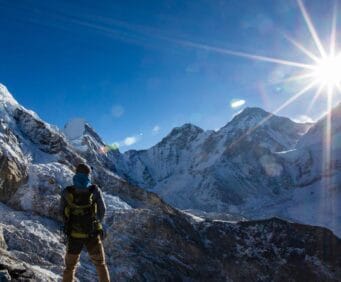
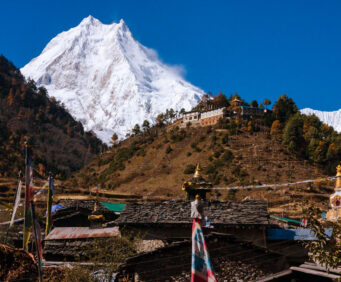
Not affected — operating normally: Everest Base Camp, Annapurna, Manaslu, and Mustang remain untouched by this event. Kathmandu Valley, Pokhara, and Chitwan continue running on their normal trekking schedules too. If your trek is booked in one of these regions, nothing here should force a change to your plans.
This distinction matters more than it might seem. A single dramatic headline can make “Nepal trekking” sound universally unsafe. In reality, the damage sits concentrated in one border district, not spread across the whole country.
What This Means If You Have a Trek Booked
Is your upcoming trek in Everest, Annapurna, Manaslu, or Mustang?
Then it isn’t affected by the Rasuwa disaster, and you can continue preparing normally.
Was your trek planned specifically for Langtang, or does it involve road travel through the Galchhi–Nuwakot–Rasuwa–Syabrubesi corridor?
If so, we’d strongly recommend postponing or rerouting for now. Wait until local authorities confirm the roads and trails are safe again. Talk directly with your trekking operator about alternative arrangements in the meantime.
A responsible agency should tell you, region by region, exactly what’s affected and what isn’t. Look for an operator actively monitoring the situation, not one offering vague reassurances.
General Safety Measures Every Trekker Should Take in Nepal
This 2026 disaster is a sharp reminder of broader safety practices that matter year-round. They’re especially important during and just after monsoon season.
1. Always trek with a licensed guide
A licensed guide is now mandatory on nearly every major route in Nepal. This includes Everest Base Camp, the Annapurna region, Langtang, and Manaslu. It isn’t just paperwork for the sake of paperwork. A local guide understands current trail and weather conditions in real time. They can make fast decisions if things change unexpectedly, and they’re your critical link if evacuation ever becomes necessary.
2. Book only through registered, TAAN-affiliated agencies
Trekking permits, including TIMS cards and conservation area permits, must go through a registered agency. Beyond meeting the legal requirement, this matters for a simpler reason. Someone reliable is actively tracking your location and monitoring regional conditions throughout your entire trip.
3. Check real-time regional advisories before and during your trip
Mountain conditions can shift fast, especially during and right after monsoon season, which runs June through September. Check for updates from the Nepal Tourism Board before you leave home. Keep checking throughout your trek too, rather than trusting only what you learned weeks earlier.
4. Understand the seasonal risk pattern
Nepal’s flood and landslide risk sits almost entirely within the June-to-September monsoon window. It tends to hit road corridors, river valleys, and lower-altitude settlements rather than the high mountain trails themselves. October and November mark Nepal’s main trekking season, opening once the monsoon clears. Skies stabilize, and this particular risk drops sharply during these months. If you’re planning a shoulder-season trip, build flexibility around your road-travel dates especially.
5. Carry comprehensive travel insurance
Get insurance that covers high-altitude trekking, emergency evacuation, and trip disruption. This matters for any trek in Nepal, but it becomes even more critical during periods of regional instability. Double-check that your policy covers helicopter evacuation specifically. In remote mountain terrain, that’s often the only realistic rescue option available.
6. Keep communication devices and emergency contacts accessible
Save these numbers before you travel: the Nepal Tourism Board’s toll-free line (1234), tourism hotline (1144), and Tourist Police contact. Heading into a remote area with patchy mobile coverage? Ask your guide about satellite communication options ahead of time. This matters most for treks through restricted or high-altitude regions.
7. Stay flexible with your itinerary
A responsible operator builds contingency days into your itinerary from the start. These cover weather delays, road closures, or unexpected route changes along the way. Treat those buffer days as a genuine safety feature, not an annoying inconvenience. Be ready to adjust plans if your guide or agency recommends a change.
How Himalayan Abode Is Responding
We’re closely monitoring the situation across Rasuwa and the Langtang region right now. Our team stays in direct contact with local authorities regarding road and trail conditions.
Do you have an upcoming trek booked in an affected area?
We’re proactively reaching out to discuss rescheduling or rerouting options with you. Treks in Everest, Annapurna, Manaslu, and other unaffected regions continue on their normal schedule, and we’re monitoring conditions there daily too.
Have questions about an existing booking? Considering a trek in Nepal and want an honest assessment of current conditions? Reach out to our team directly instead of relying on secondhand reports alone.
FAQ Nepal Landslide 2026
Is it safe to trek in Nepal right now?
Yes, across most of the country it genuinely is. Everest, Annapurna, Manaslu, and Mustang are all operating normally and remain unaffected by the August 26 event. Rasuwa district and the Langtang region are currently affected, so travel there should wait until authorities confirm it’s safe.
Should I cancel my Everest Base Camp or Annapurna trek?
Based on current information, no cancellation is necessary for these regions. They remain unaffected by this specific event. Stay in touch with your trekking operator for the latest updates as the situation develops.
What should I do if I’m scheduled to trek Langtang soon?
Talk with your trekking agency right away about postponing or switching regions. Wait until local authorities confirm that roads and trails around Rasuwa and Syabrubesi are genuinely safe again.
How can I get real-time updates during my trip?
Follow official Nepal Tourism Board channels closely throughout your travels. Stay in regular contact with your trekking agency as well. Make sure your guide carries a reliable communication method suited to your specific route.
Final Thoughts
Disasters like the August 2026 Rasuwa flood remind us how fast conditions can change in the Himalayas. They also remind us that Nepal is large and geographically diverse. A serious incident in one district doesn’t mean the entire country is unsafe. The right response isn’t avoiding Nepal altogether out of caution. It’s choosing a licensed, informed operator who monitors conditions closely and puts your safety ahead of a fixed itinerary.
Have questions about an upcoming trek, or want a current safety briefing for your planned route? Contact our team directly before you travel.
Recent Posts