Langtang Valley Trek Nepal 2026: Complete Guide
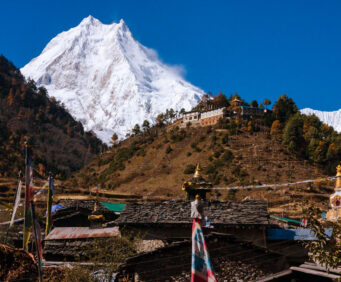
16th August, 2026 - Posted By: Himalayan AbodeIf you want the beauty of the Himalayas without the crowds of Everest or Annapurna, the Langtang Valley Trek Nepal route deserves a top spot on your list. Tucked just north of Kathmandu, close to the Tibetan border, Langtang delivers glacier-fed valleys, ancient Tamang villages, and views of peaks like Langtang Lirung (7,227m) — all reachable in under two weeks and without a domestic flight.
This complete guide covers everything you need to plan your 2026 Langtang Valley Trek: itinerary, cost, difficulty, permits, best season, and what to pack.
Why Trek Langtang Valley in 2026
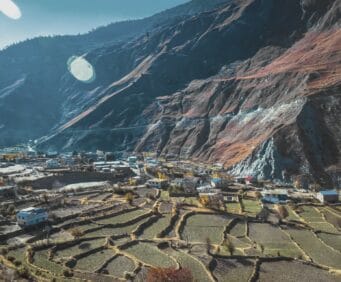
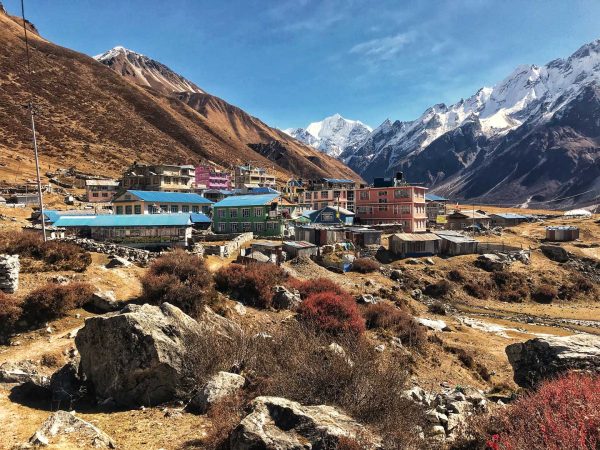
Langtang was hit hard by the 2015 earthquake, and for years it carried a reputation as “recovering.” That’s no longer the case. Trails, teahouses, and monasteries have been rebuilt, community-run lodges are thriving again, and the region is welcoming trekkers with the same warmth it always has — just with far fewer people on the trail than Everest Base Camp or Annapurna Circuit.
A few reasons Langtang stands out in 2026:
- Proximity to Kathmandu. You can start trekking the same day you leave the city — no costly domestic flight to Lukla or Jomsom required.
- Cultural depth. Langtang is home to Tamang and Tibetan Buddhist communities, and the trail passes through Kyanjin Gompa, one of the region’s most significant monasteries.
- Shorter time commitment. Most itineraries run 7–10 days, making it ideal for trekkers with limited leave from work.
- Fewer crowds, same scale. You still get high mountain views and glacier landscapes, without queuing for teahouse beds.
Langtang Valley Trek Difficulty
The Langtang Valley Trek is generally rated moderate, making it accessible to trekkers with reasonable fitness and some prior hiking experience — though it’s not a beginner’s stroll.
Key difficulty factors:
- Maximum altitude: Kyanjin Ri viewpoint sits at roughly 4,780m, with the main valley trail reaching around 3,870m at Kyanjin Gompa. Altitude sickness is a genuine risk if you ascend too quickly.
- Daily walking time: Expect 5–7 hours of walking per day on established but sometimes steep and rocky trails.
- Terrain: You’ll pass through forest, alongside glacial rivers, and across moraine near the glacier — varied but not technical.
Anyone in good general health who trains with regular walking or hiking beforehand can complete this trek. No climbing or technical mountaineering skills are required.
Best Time to Trek Langtang Valley
Timing your Langtang Valley Trek Nepal adventure around the right season makes a significant difference to visibility, trail conditions, and comfort.
Spring (March–May) — The most popular season. Rhododendron forests bloom in vivid reds and pinks along the lower trail, days are mild, and mountain views are generally clear.
Autumn (September–November) — Widely considered the best season overall. Post-monsoon skies are crisp and clear, temperatures are comfortable, and visibility of Langtang Lirung and surrounding peaks is at its best.
Winter (December–February) — Colder, with snow possible above Kyanjin Gompa, but the trail stays open and offers a quieter, snow-dusted experience for well-prepared trekkers.
Monsoon (June–August) — Not recommended. Heavy rainfall brings leeches, obscured views, and landslide risk on some sections.
Langtang Valley Trek Itinerary (7–10 Days)
Here’s a typical route used by most trekking agencies, including Himalayan Abode:
Day 1: Kathmandu to Syabrubesi (approx. 7–8 hours by road)
Drive from Kathmandu through winding mountain roads to Syabrubesi, the trailhead village.
Day 2: Syabrubesi to Lama Hotel (approx. 6–7 hours)
Follow the Langtang Khola through dense forest, crossing suspension bridges along the way.
Day 3: Lama Hotel to Langtang Village (approx. 6 hours)
The forest opens into wider valley views as you approach Langtang Village, which was rebuilt after the 2015 earthquake.
Day 4: Langtang Village to Kyanjin Gompa (approx. 4 hours)
A shorter day that allows for acclimatization. Visit the monastery and, if timed right, the local cheese factory.
Day 5: Acclimatization day at Kyanjin Gompa
Hike up to Kyanjin Ri (4,780m) or Tserko Ri for panoramic views of Langtang Lirung and the surrounding glaciers.
Day 6: Kyanjin Gompa to Lama Hotel (approx. 6 hours)
Begin the descent, retracing the valley trail.
Day 7: Lama Hotel to Syabrubesi (approx. 5–6 hours)
Final trekking day back to the trailhead.
Day 8: Syabrubesi to Kathmandu (approx. 7–8 hours by road)
Return drive to Kathmandu.
Trekkers with more time can extend the route to include the Tamang Heritage Trail or Gosainkunda Lake for a longer, more immersive 12–14 day itinerary.
Langtang Valley Trek Cost 2026
Cost varies depending on whether you trek independently or with an agency, and what’s included. As a rough guide for 2026:
- Guided trek with agency (all-inclusive): Typically covers permits, guide, porter, accommodation, and meals during the trek.
- Independent trekking: Lower daily cost but requires more planning, and permits are still mandatory.
- Domestic transport: Ground transport to and from Syabrubesi is included in most packages, avoiding the flight costs associated with Everest or other remote regions.
Because Langtang doesn’t require a domestic flight, it’s often one of the more affordable major treks in Nepal relative to trek length and scenery. [link: /tour_category/trekking/]
Permits Required for Langtang Valley Trek
Two permits are mandatory for the Langtang Valley Trek:
- Langtang National Park Entry Permit — required since the trail passes through protected park land.
- TIMS Card (Trekkers’ Information Management System) — required for trekker safety tracking, though rules around independent trekking versus guided trekking have evolved in recent years.
Working with a licensed agency means your permits are arranged for you before departure, saving time in Kathmandu.
What to Pack for Langtang Valley Trek
Pack layers, since temperatures shift significantly between the lower forested trail and higher altitude near Kyanjin Gompa.
- Insulated jacket and warm layers for evenings above 3,000m
- Sturdy, broken-in hiking boots
- Trekking poles (helpful on the moraine near Kyanjin Ri)
- Water purification tablets or a filter
- Sun protection: hat, sunglasses, high-SPF sunscreen
- Basic first-aid kit, including altitude sickness medication after consulting a doctor
- Power bank, since charging in teahouses often costs extra
Accommodation and Food on the Trail
Teahouses line the entire Langtang route, offering basic but comfortable rooms and hearty meals. Expect classic trekking staples like dal bhat, noodle soups, momos, and porridge, along with hot drinks to warm up after a day on the trail. Facilities become more basic the higher you climb, so don’t expect hot showers or reliable Wi-Fi past Langtang Village.
Langtang Valley vs. Everest Base Camp vs. Annapurna Circuit
If you’re deciding between Nepal’s major trekking regions, here’s how Langtang compares:
Langtang vs. Everest Base Camp:
EBC requires a flight to Lukla, runs 12–14 days, and reaches a much higher altitude (5,364m at base camp). Langtang is shorter, road-accessible from Kathmandu, and generally more budget-friendly, though EBC offers the bragging rights of standing at the foot of the world’s tallest mountain.
Langtang vs. Annapurna Circuit:
Annapurna Circuit is longer (typically 15–20 days) and crosses the high-altitude Thorong La Pass (5,416m). Langtang is a shorter, out-and-back valley trek rather than a circuit, making it a better fit for trekkers with a week or two rather than three-plus weeks.
In short: choose Langtang if you want maximum scenery for minimum time and travel logistics. Choose Everest or Annapurna if you have more time and want one of the two headline routes.
Guided Trek vs. Independent Trekking in Langtang
Trekkers can technically walk the Langtang route independently, since teahouses and trail markers make navigation manageable. That said, most visitors — especially first-time trekkers in Nepal — choose a guided trek for a few practical reasons:
- Permit handling: A licensed operator arranges your Langtang National Park permit and TIMS card in advance.
- Local knowledge: Guides know which teahouses have availability and how to pace acclimatization safely.
- Porter support: A porter carrying your main pack lets you focus on the trail, especially on steeper sections between Lama Hotel and Langtang Village.
Independent trekking can work for experienced high-altitude hikers, but for most travelers, a guided trek strikes the right balance of safety, convenience, and cultural insight.
Health and Safety on the Langtang Trek
Altitude sickness is the primary health risk on this route, since the trail climbs from roughly 1,550m at Syabrubesi to nearly 4,800m at Kyanjin Ri over the course of a few days. To reduce risk:
- Follow the “climb high, sleep low” principle where possible
- Stay well hydrated throughout each day
- Avoid alcohol at altitude
- Take the built-in acclimatization day at Kyanjin Gompa seriously rather than skipping ahead
- Know the early symptoms of acute mountain sickness (headache, nausea, dizziness) and descend if they worsen
Travel insurance that covers high-altitude trekking and emergency evacuation is strongly recommended for any trek above 3,000m, Langtang included.
Frequently Asked Questions
How many days does the Langtang Valley Trek take?
Most itineraries run 7–10 days including transport to and from Kathmandu, though the route can be extended to 12–14 days if combined with the Tamang Heritage Trail or Gosainkunda Lake.
Do I need prior trekking experience for Langtang?
No technical experience is required, but a reasonable level of fitness and some hiking background will make the trek more enjoyable.
Is Langtang safer than it was after the 2015 earthquake?
Yes. Trails, teahouses, and monasteries have been fully rebuilt, and the region has welcomed trekkers back for years with improved infrastructure.
Can I combine Langtang with other treks?
Yes — the Tamang Heritage Trail and Gosainkunda Lake extension are popular add-ons that extend the trip into a longer, more varied itinerary.
Is the Langtang Valley Trek Right for You?
The Langtang Valley Trek Nepal route suits trekkers who want a genuine high-mountain experience — glaciers, 7,000m peaks, and monastery culture — without the cost, crowds, or flight logistics of Everest Base Camp. It’s an excellent choice for those with a week or two of holiday time, first-time high-altitude trekkers building confidence, and anyone drawn to the resilience story of a valley that has rebuilt itself with remarkable spirit since 2015.
Ready to Trek Langtang Valley in 2026?
Langtang rewards trekkers with dramatic mountain scenery, warm Tamang hospitality, and one of the most accessible high-altitude experiences in Nepal. Whether you’re after a straightforward 7-day trek or want to extend into the Tamang Heritage Trail, the right planning makes all the difference.
Contact our team today to book your Langtang Valley Trek and get a personalized 2026 itinerary and quote.
Recent Posts