Everest Base Camp Trek for Indian Citizens: Permits and Tips
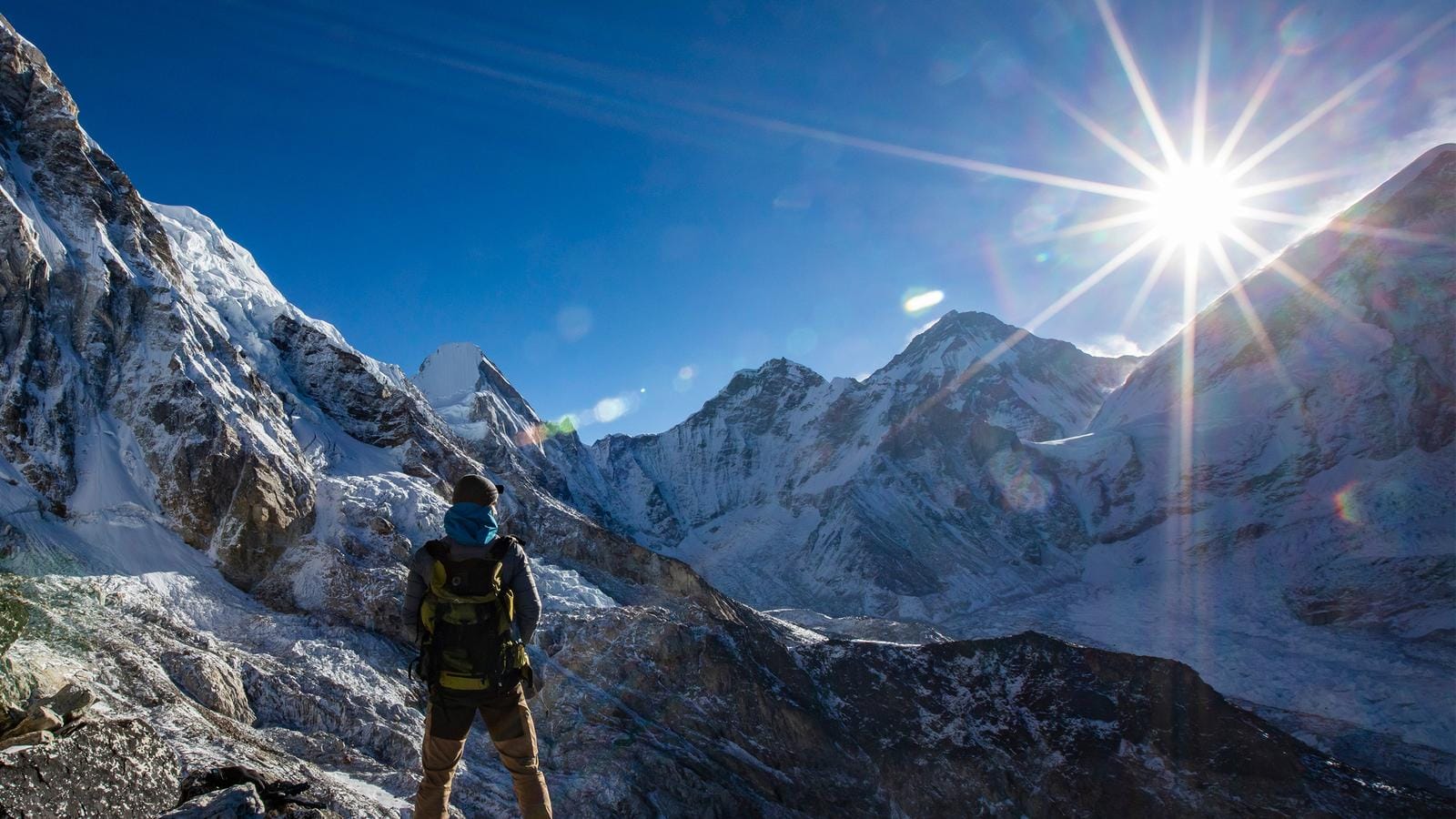
17th May, 2026 - Posted By: Himalayan AbodeThe Everest Base Camp trek for Indian citizens gives you an amazing chance to see the world’s highest peak up close. Thousands of Indian trekkers reach EBC every year. This route is exciting but also needs clear planning and the right documents. This guide explains the permits, rules, and tips you need for your Everest Base Camp trek in 2026.
Why Indian citizens choose Everest Base Camp trek
Many Indian citizens travel to Nepal for trekking and culture. The Everest Base Camp trek mixes adventure, nature, and local life. You do not need to climb the mountain. You only need to walk on marked trails with a guide.
Indian passport holders get lower permit fees than many foreign tourists. This makes the Everest Base Camp trek for Indian citizens a good value‑for‑money option. You can enjoy great views of Everest, Lhotse, and Ama Dablam while keeping your budget under control.
Most trekking agencies in Nepal also speak Hindi and understand Indian travel habits. They help you with flights, hotels, and local food. This makes your Everest Base Camp trek for Indian citizens feel more comfortable and less stressful.
Main permits for Everest Base Camp trek
You cannot start the Everest Base Camp trek without permits. The government controls the Khumbu area and charges for nature and route use.
Indian citizens usually need the following:
- Sagarmatha National Park Permit
- Khumbu Pasang Lhamu Rural Municipality Permit
Some itineraries also include a TIMS card, but many agencies handle this as part of the trek package. You must show your permit at checkpoints along the trail. If you do not have a permit, you may get a fine or denied entry.
A local trekking agency in Nepal often buys these permits for you. You only need to submit your ID or passport details and photos. They give you printed copies for your security bag.
Documents required for Indian citizens
Indian citizens entering Nepal for Everest Base Camp trek must have valid documents. You cannot trek without them.
Here is what you should carry:
- Valid Indian passport (or Aadhaar/Voter ID if you enter Nepal by land)
- Passport‑size photos for permits
- Printed trek itinerary and agency contact details
If you fly from India to Nepal, you must have a passport. If you cross by land, you can use Aadhaar, Voter ID, or other Indian documents. But for the Kathmandu–Lukla flight and higher‑altitude trek, a passport is safer and easier.
Always keep copies of your documents with your guide or hotel. Do not leave your originals in your backpack only. A small file with all your papers in one place feels more secure.
How to buy permits for Everest Base Camp trek for Indian citizens
Most trekkers buy permits through a registered trekking agency in Nepal. You can also buy them in Kathmandu or Lukla, but this adds stress if you are new.
Steps to follow:
- Choose a trekking agency that runs the Everest Base Camp trek for Indian citizens.
- Send your name, passport, and photos through email or WhatsApp.
- Pay the permit fee in advance or with your trek deposit.
- Receive your printed permits before you start the trek.
Indian citizens pay less for the Sagarmatha and Khumbu permits than many foreign nationals. This cost advantage helps keep the Everest Base Camp trek for Indian citizens within a mid‑range budget.
If you travel alone and buy the permits yourself, arrive in Kathmandu 1–2 days early. This gives you time to clear any issues at the permit office or airport.
Weather and best time for Everest Base Camp trek
The best time for Everest Base Camp trek is spring (March–May) and autumn (September–November). These months have clear skies and stable weather.
In spring, the weather is warm at lower altitudes. The rhododendron forests bloom and give the trail a colorful look. You still feel cold at higher camps, so warm clothes are very important.
In autumn, the monsoon rain has passed. The air is dry and the views are sharp. You can see Everest, Lhotse, and Ama Dablam more clearly. This is the most popular time, so you may see more trekkers on the trail.
Avoid monsoon (June–August) if you are new. The trails are wet, muddy, and often foggy. Winter (December–February) is very cold and may be snowy on passes. If you choose winter, use a strong itinerary and a local guide.
Fitness and health tips for Everest Base Camp trek
The Everest Base Camp trek is moderate for healthy people. You can walk it even if you are not a professional athlete. You only need basic fitness and slow pacing.
Before you go, try these simple steps:
- Walk 10–15 km in a day with light shoes
- Carry a light backpack (5–8 kg)
- Train for 4–6 weeks with daily walks
On the trek, you walk 4–7 hours per day. Easy days are in the lower forests and villages. Hard days include Namche, Dingboche, and the walk to EBC.
Altitude is the main health risk. You may feel headache, nausea, or shortness of breath at higher altitudes. To stay safe:
- Walk slowly and steadily
- Drink 3–4 liters of water per day
- Eat light, warm meals
- Use the rest days in Namche and Dingboche
Do not skip rest days. If you feel very sick, tell your guide and do not climb higher.
Typical costs of Everest Base Camp trek for Indian citizens
The Everest Base Camp trek for Indian citizens usually costs less than for many foreign nationals. Permit fees for Indian passport holders are lower. This helps you save money without losing quality.
Most packages include:
- Guide and porter
- Teahouse accommodation
- Breakfast and dinner
- Permits and local transport
A standard guided Everest Base Camp trek for Indian citizens can cost ₹1,20,000–₹2,00,000 per person, depending on the agency, season, and services. Shorter or budget programs may be cheaper.
Always ask what is included and excluded before you pay. Check if flights, insurance, and tips are extra. Clear pricing helps you avoid hidden fees.
Packing list for Everest Base Camp trek
Packing well makes the Everest Base Camp trek more comfortable. You need to stay warm, dry, and hydrated at high altitudes.
Basic gear list:
- Warm jacket (down or synthetic)
- Fleece or wool layers
- Waterproof jacket and pants
- Good hiking boots (broken in before the trip)
- Warm sleeping bag (rated at least –10°C)
- Headlamp with extra batteries
- Refillable water bottle or bladder
- Small backpack (30–40 liters) for day walks
- Simple first‑aid kit and personal medicines
You can buy or rent gear in Kathmandu or Pokhara. Many trekking agencies in Nepal give you a simple packing list if you ask. Do not carry too much weight. A lighter backpack reduces strain and helps you walk longer.
Why use a trekking agency in Nepal for Everest Base Camp trek?
Some Indian citizens try to trek alone. They buy flights and permits themselves and follow the trail without a guide. This can work for experienced trekkers. For most people, using a trekking agency in Nepal makes the Everest Base Camp trek safer and easier.
A local agency helps you by:
- Choosing safe routes and correct itineraries
- Booking flights, hotels, and permits
- Providing an English‑speaking, local guide
- Giving emergency support if you feel sick
A local guide knows the Khumbu area, weather signs, and cultural rules. You can ask questions in Hindi or English. You also avoid getting lost, stuck, or overcharged on the trail.
Frequently Asked Questions (FAQ)
1. What is the Everest Base Camp trek?
The Everest Base Camp trek is a high‑altitude hiking route that starts from Lukla in Nepal and reaches the base camp of Mount Everest (5,364 m). You walk with a guide and stay in teahouses.
2. Do Indian citizens need permits for Everest Base Camp trek?
Yes. Indian citizens need a Sagarmatha National Park Permit and a Khumbu Pasang Lhamu Rural Municipality Permit for Everest Base Camp trek. Your trekking agency can buy them for you.
3. How much cheaper are permits for Indian citizens?
Permit fees for Indian citizens are lower than for many foreign nationals. This makes the Everest Base Camp trek for Indian citizens more budget‑friendly on the official side.
4. Can Indian citizens use Aadhaar or Voter ID for this trek?
Yes. Indian citizens can enter Nepal by land with Aadhaar or Voter ID and then buy trek permits. However, a passport is safer for flights and higher‑altitude routes.
5. What is the best time for Everest Base Camp trek?
The best time is spring (March–May) and autumn (September–November). These months have clear skies and stable weather for high‑altitude walking.
6. Is Everest Base Camp trek safe for beginners?
Yes, it is safe for beginners with good fitness. You must walk several hours per day and follow altitude rules. A local guide and clear itinerary reduce the risk.
7. How long is the Everest Base Camp trek?
Most itineraries last 12–14 days. Shorter and longer programs exist, depending on your time and fitness level.
8. How much does Everest Base Camp trek for Indian citizens cost?
A standard guided trek usually costs ₹1,20,000–₹2,00,000 per person. Group size, season, and extra services change the final price.
9. What should Indian citizens pack for this trek?
Pack warm layers, a waterproof jacket, good hiking boots, a warm sleeping bag, a headlamp, and a light backpack. Keep your load light and comfortable for long days.
10. How do Indian citizens book Everest Base Camp trek with a trekking agency in Nepal?
Send your dates, group size, and route to a trekking agency in Nepal. You receive a clear itinerary and price. After paying a deposit, they confirm flights, hotels, and permits for your Everest Base Camp trek for Indian citizens.