“Best Treks in Annapurna Region in Nepal for 2026”
5th April, 2026 - Posted By: Himalayan AbodeThe Annapurna region in Nepal is one of the most popular trekking areas. Each year, thousands of trekkers visit this part of the Himalayas. In 2026, the treks in Annapurna region are still ranked among the best in the world.
You can choose from easy walks and long‑distance hikes. The region offers great views, friendly villages, and rich culture. A good trekking agency in Nepal can help you pick the right route.
Why Annapurna region is perfect for trekkers
The Annapurna region sits in central Nepal. It has a mix of high mountains, green valleys, and small villages. You can see snowy peaks and rice fields in the same view.
The area is safe and well‑developed for tourism. There are many teahouses, local guides, and clear trail signs. Most of the treks in Annapurna region follow marked paths.
This region suits beginners, families, and solo trekkers. You do not need to climb technical peaks to enjoy the beauty. You just need a good plan and comfortable shoes.
Annapurna Base Camp trek overview
The Annapurna Base Camp trek is one of the most famous routes. It takes you close to the south face of Annapurna I. You walk through forests, rivers, and small mountain villages.
Most itineraries last 7–10 days. You start from Pokhara and follow a steady climb. The final camp sits at about 4,100 meters.
The trek is moderate in difficulty. You do not need expert climbing skills. You do need to walk 4–6 hours per day and handle altitude.
On this route, you can see machhapuchhre (Fishtail) and many Annapurna peaks. You sleep in teahouses and eat local food. A local guide helps you move at a safe pace.
Annapurna Circuit trek overview
The Annapurna Circuit trek is one of the classic treks in Annapurna region. It circles the Annapurna massif and shows many different landscapes. You start in the green Modi Valley and finish in the dry Manang area.
A typical Annapurna Circuit trek takes 12–16 days. You walk through rice farms, pine forests, and dry high‑altitude villages. The highest point is Thorong La Pass (5,416 m).
This trek is for moderate to strong trekkers. You face real altitude and cold weather at the pass.
A good guide and proper acclimatization rest days reduce the risk.
Along the route, you visit Manang, Jomsom, and Muktinath. You can see monasteries, temples, and local culture. This trek is a great mix of nature and people.
Ghorepani Poon Hill trek overview
The Ghorepani Poon Hill trek is one of the easiest treks in Annapurna region. Many beginners choose this route first. You can complete it in 3–5 days round trip.
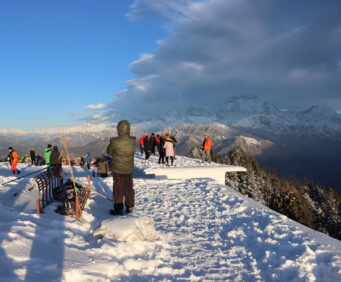
Start from Pokhara or Nayapul and walk through forests. You reach Poon Hill (3,210 m) early in the morning. From there, you get a full sunrise view of the Annapurna range.
The trek is not too high or too long. You walk about 4–6 hours per day. You sleep in teahouses and eat warm local food.
This trek is perfect for families and first‑time travelers. You get good mountain views without hard altitude gain. A local guide helps you enjoy the sunrise and stay safe.
Jomsom Muktinath trek overview
The Jomsom Muktinath trek lies in the dry Mustang area of Annapurna region. It is one of the more unique treks in Annapurna region. The landscape looks like a high‑desert valley with red rocks and dry air.
You can start from Pokhara or Nayapul and walk to Jomsom. From Jomsom, you can continue to Muktinath, a famous temple site. Many itineraries combine Annapurna Circuit and Jomsom Muktinath.
This trek is easier than the full Annapurna Circuit. You avoid the high Thorong La Pass. You still see amazing views and local culture.
The Muktinath temple attracts Hindu and Buddhist pilgrims. You can see prayer flags, water spouts, and stone shrines. A local guide can explain the religious and cultural meaning.
Dhaulagiri Base Camp trek (side option)
The Dhaulagiri Base Camp trek is a tougher option near Annapurna region. It is not one of the main treks in Annapurna region, but it is close. You use Myagdi district and walk through remote villages.
This trek is for strong, experienced trekkers. You face long hiking days and high altitude.
You may need extra acclimatization and a good guide.
The route shows Dhaulagiri massif, the world’s seventh‑highest peak. You walk through alpine meadows and river valleys. You sleep in basic guesthouses or tents.
If you want a challenging but less‑crowded trek, this is a good choice.
How to choose the right trek in Annapurna region
With so many options, it can be hard to pick one. Ask yourself these questions before choosing treks in Annapurna region:
- Do you have 10–15 days, 7–10 days, or only 3–5 days?
- Are you a beginner, intermediate, or strong trekker?
- Do you prefer easy routes or long, high‑altitude hikes?
- Do you want culture, temples, and villages or just mountain views?
If you are new, choose Ghorepani Poon Hill or Annapurna Base Camp.
You are strong and have time, choose Annapurna Circuit or Jomsom Muktinath.
If you want a mix of Annapurna and remote nature, ask about Dhaulagiri side routes.
A trekking agency in Nepal can help you match your fitness, time, and budget.
Typical difficulty levels of treks in Annapurna region
| Trek route | Days needed | Difficulty level | Altitude range |
|---|---|---|---|
| Ghorepani Poon Hill | 3–5 days | Easy | Up to ~3,210 m |
| Annapurna Base Camp | 7–10 days | Moderate | Up to ~4,100 m |
| Jomsom Muktinath | 7–9 days | Moderate | Up to ~4,000 m |
| Annapurna Circuit (full) | 12–16 days | Moderate–hard | Up to 5,416 m (pass) |
| Dhaulagiri Base Camp (side) | 10–14 days | Hard | Up to ~5,000 m |
Choose a trek that matches your fitness and time. Do not rush a high‑altitude route if you are new.
Best seasons for treks in Annapurna region
The treks in Annapurna region are safest in spring and autumn. These months have stable weather and clear skies.
Spring (March–May) brings warm days and clear views. Rhododendron forests bloom and color the trails.
This is a great time for Ghorepani Poon Hill and Annapurna Base Camp.
Autumn (September–November) is also very popular. The monsoon rain has gone and the air is dry.
You get the best views of Annapurna and Dhaulagiri peaks.
Avoid monsoon season (June–August) if you can. The trails can be wet, muddy, and slippery. Winter (December–February) is cold and can be snowy at high altitudes.
If you are new, choose spring or autumn for your first trek.
Permits and paperwork for Annapurna treks
Most treks in Annapurna region need permits. The government uses these to manage the number of trekkers and protect nature.
You usually need:
- Annapurna Conservation Area Permit (ACAP)
- TIMS card (Trekkers’ Information Management System)
These permits are often included in your trek package. Your trekking agency in Nepal collects your ID, photo, and fees. They give you printed copies to show at checkpoints.
Carry your passport and permit copies in your daypack. Keep the main documents in your hotel or with your guide. A registered agency reduces the risk of fines or denied entry.
What to pack for treks in Annapurna region
Packing well makes your treks in Annapurna region more comfortable. You need clothes for warmth, rain, and sun.
Basic gear list:
- Warm jacket and fleece layers
- Waterproof rain jacket and pants
- Good hiking boots (broken in before the trek)
- Warm sleeping bag (rated at least –10°C)
- Headlamp with extra batteries
- Refillable water bottle or bladder
- Light backpack (30–40 liters)
- Small first‑aid kit and personal medicines
You can rent or buy gear in Pokhara or Kathmandu. Ask your trekking agency for a simple packing list.
Do not carry too much weight on your back.
Why use a trekking agency in Nepal for Annapurna treks?
Some people walk the treks in Annapurna region alone. They book flights, buy permits, and follow the trail by themselves.
However, using a trekking agency in Nepal has clear benefits:
- Guides know the safest routes and shortcuts
- Agencies handle permits, hotels, and transport
- You get help if you feel sick or injured
- Porters carry your heavy backpack
A local agency also explains local rules, culture, and food tips. You avoid getting lost, stuck, or overcharged by small teahouses. You feel safer and more confident on all treks in Annapurna region.
Frequently Asked Questions (FAQ)
1. What are the best treks in Annapurna region?
The best treks in Annapurna region are Annapurna Base Camp, Annapurna Circuit, Ghorepani Poon Hill, and Jomsom Muktinath. You can also add Dhaulagiri side routes for a tougher hike.
2. How long do Annapurna region treks take?
Most treks in Annapurna region take 3–16 days. Ghorepani Poon Hill needs 3–5 days. Annapurna Base Camp and Jomsom Muktinath need 7–10 days. Annapurna Circuit needs 12–16 days.
3. Which trek is best for beginners in Annapurna region?
Ghorepani Poon Hill trek is the best for beginners. It is short, not too high, and has clear views.
Annapurna Base Camp trek is also good for first‑time trekkers with good fitness.
4. Do you need a guide for treks in Annapurna region?
You do not legally need a guide. But using a trekking agency in Nepal with a guide is safer. The guide helps with direction, permits, and emergency support.
5. What is the best time for treks in Annapurna region?
The best times are spring (March–May) and autumn (September–November). These months have clear skies and safe trails. Avoid monsoon and deep winter if you are new.
6. What permits are required for Annapurna region treks?
Most treks need an Annapurna Conservation Area Permit (ACAP) and a TIMS card. You can buy these in Pokhara or Kathmandu. Your trekking agency usually includes them in the package.
7. How hard is the Annapurna Circuit trek?
The Annapurna Circuit trek is moderate to hard. You walk 12–16 days and cross Thorong La Pass at 5,416 m. You need good fitness, warm clothes, and proper acclimatization.
8. Can you do Poon Hill trek alone?
Yes. The Poon Hill trek is easy to follow and well‑marked. You can walk alone if you are confident. However, a local guide still improves safety and sunrise timing.
9. How should I choose a trek in Annapurna region?
Choose based on your time, fitness, and experience. Pick shorter, lower routes if you are new. Pick longer, high‑altitude routes if you are strong and well‑prepared.
10. How do I book a trek in Annapurna region with Himalayan Abode?
Send your dates, preferred trek, and group size to Himalayan Abode. You receive a clear itinerary and price list. Pay a deposit, confirm flights, and meet your guide in Pokhara or Kathmandu.
Recent Posts